
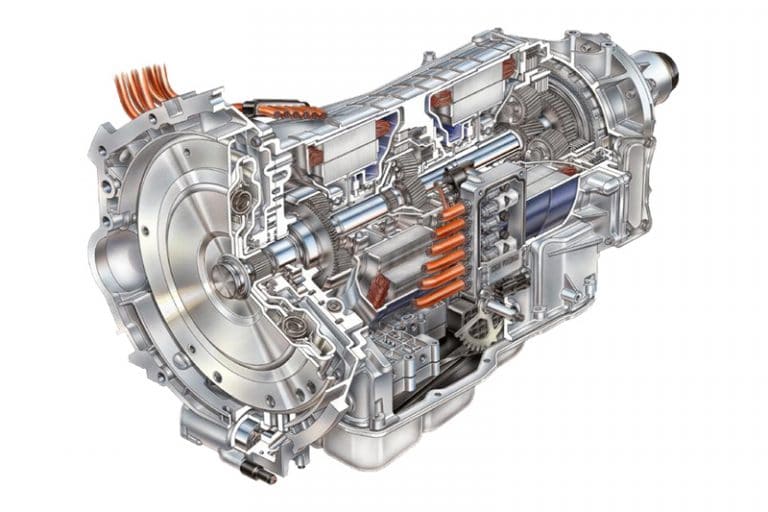
When your automatic transmission starts acting up, slipping gears, hesitating on shifts, or making strange noises, you’re suddenly faced with a decision that can cost thousands of dollars either way. Should you rebuild the transmission you have, or replace it entirely?
It’s not a simple question, and honestly, the answer depends on several factors specific to your situation. We’ve seen drivers rush into replacements when a rebuild would’ve saved them money, and we’ve watched others sink cash into rebuilds on transmissions that were too far gone. At Key Transmission and Gears in Englewood, we help customers navigate this decision every week, and we know how stressful it can be.
Let’s break down what each option actually involves, what it costs, and how to figure out which choice makes the most sense for your vehicle and your wallet.
Understanding the Difference Between Rebuilding and Replacing
Before you can make an well-informed choice, it helps to understand what’s actually happening under the hood with each option. The terms “rebuild” and “replace” get thrown around a lot, but they involve very different processes.
What Happens During a Transmission Rebuild
A transmission rebuild is essentially a thorough restoration of your existing transmission. Our technicians remove the transmission from your vehicle, completely disassemble it, and inspect every single component. We’re talking about hundreds of parts, clutches, bands, seals, gaskets, bearings, and more.
During inspection, we identify which parts are worn, damaged, or about to fail. Those get replaced with new or remanufactured components. The transmission case itself (the “hard parts”) usually stays intact unless there’s visible damage like cracks or excessive wear. Once everything’s been cleaned, inspected, and reassembled with fresh parts, the transmission goes back into your vehicle.
The major advantage here? You’re keeping your original transmission, the one that was designed specifically for your vehicle. You’re also only paying for the parts that actually need replacing.
What Transmission Replacement Involves
Replacement means removing your current transmission entirely and installing a different unit. This “new” transmission could be:
- Brand new from the manufacturer – The most expensive option, but you get a factory-fresh unit with full warranty coverage
- Remanufactured – A used transmission that’s been completely rebuilt to factory specifications
- Used – A transmission pulled from another vehicle, usually from a salvage yard
The installation process involves removing your old transmission, prepping the replacement unit, and ensuring it’s properly mated to your engine and drivetrain. With used or remanufactured units, there’s always some uncertainty about the transmission’s history and remaining lifespan.
Cost Comparison: Rebuild vs. Replacement
Let’s talk numbers, because that’s often the deciding factor for most drivers.
A transmission rebuild typically runs between $1,500 and $3,500, depending on the extent of damage and your vehicle’s make and model. Luxury vehicles, European imports, and trucks with heavy-duty transmissions generally land on the higher end of that range.
Replacement costs vary more dramatically:
- Used transmission: $800 to $1,500 for the unit, plus $500 to $1,200 for labor
- Remanufactured transmission: $1,500 to $3,000 for the unit, plus labor
- New OEM transmission: $3,000 to $7,000+ for the unit alone
At first glance, a used transmission might look like the cheapest route. But here’s what those numbers don’t tell you: used transmissions come with zero guarantees about their condition. You might get lucky and find one with plenty of life left. Or you could end up right back in the shop six months later.
Rebuilds, on the other hand, address the specific problems in your transmission while replacing wear items that might fail down the road. At Key Transmission and Gears, our repairs come with a 12-month or 12,000-mile warranty, so you’re not gambling on an unknown unit’s history.
The bottom line? Rebuilds often deliver the best value when comparing long-term reliability against upfront cost.
When Rebuilding Your Transmission Makes Sense
Rebuilding tends to be the smarter choice in several common scenarios.
Your transmission has isolated damage. If the problem is limited to specific components, say, worn clutch packs or a failed solenoid, a rebuild lets us fix exactly what’s broken without paying for parts that are still perfectly fine. Electronic diagnostics can often pinpoint these issues before we even open up the transmission.
You drive a newer or well-maintained vehicle. If your car’s only got 80,000 miles and you’ve kept up with maintenance, the transmission case and many internal components are probably in solid shape. Rebuilding makes financial sense because you’re restoring a relatively young unit.
Your vehicle has sentimental or collector value. Some owners want to keep their original drivetrain for authenticity reasons. A rebuild preserves the original transmission while making it perform like new.
You need specific customization. Performance enthusiasts sometimes prefer rebuilds because it’s an opportunity to upgrade internal components for better durability or performance characteristics.
Parts availability is limited. For older or discontinued models, finding a suitable replacement transmission can be challenging. Rebuilding what you have might be the only practical option.
We work on foreign and domestic vehicles, all makes and models, so whether you’re driving a Honda Accord or a Ford F-250, we can assess whether your transmission is a good rebuild candidate.
When Replacing Your Transmission Is the Better Choice
Sometimes replacement genuinely is the better path forward. Here’s when we typically recommend it:
Catastrophic internal damage. If the transmission has suffered severe internal failure, metal shavings throughout the system, cracked cases, or multiple major component failures, rebuilding might cost nearly as much as replacement while offering less certainty about long-term reliability.
Fluid contamination has spread. Transmission fluid that looks burnt or contains significant debris indicates widespread damage. When contamination has circulated through the entire system, replacing seals and a few parts might not address underlying issues.
You need your vehicle back quickly. Rebuilds take time, usually several days for disassembly, inspection, parts ordering, and reassembly. If time is critical, installing a remanufactured or new transmission can get you back on the road faster.
A quality replacement is readily available. For common vehicles, remanufactured transmissions are often available that have been professionally rebuilt to strict specifications. These can be cost-effective and come with warranty protection.
The original transmission has known design flaws. Some transmissions have inherent weaknesses that lead to repeated failures. In these cases, we might recommend a replacement unit that’s been updated to address those original design issues.
When you bring your vehicle to us, we offer free electronic diagnostics and road testing to determine exactly what’s going on. That way, you’re making decisions based on facts, not guesses.
How Your Vehicle’s Age and Value Affect the Decision
Here’s a question we ask customers to consider: what’s your vehicle actually worth, and how long do you plan to keep it?
If your car’s market value is $4,000 and the repair bill hits $3,000, you need to think carefully. That’s not automatically a bad investment, especially if the rest of the vehicle is solid and you’d spend far more buying a replacement car, but it’s a factor worth weighing.
Generally speaking:
Newer vehicles (under 100,000 miles): Rebuilding usually makes sense. The rest of the vehicle has plenty of life left, and a properly rebuilt transmission should serve you well for years to come.
Mid-age vehicles (100,000–150,000 miles): This is the gray zone. Consider the vehicle’s overall condition, your maintenance history, and how long you realistically expect to keep it. If other major components (engine, suspension, etc.) are starting to wear, investing heavily in the transmission might not pay off.
High-mileage vehicles (150,000+ miles): Unless you’re particularly attached to the vehicle or it’s something special, a used or remanufactured transmission might offer better value than a full rebuild. Then again, if you’ve maintained the car well, rebuilding could still make sense.
We always encourage customers to think about the total picture. A transmission repair isn’t just about fixing today’s problem, it’s about setting yourself up for reliable transportation going forward.
Questions to Ask Your Mechanic Before Deciding
Not all shops will give you honest, straightforward answers. Here are questions that’ll help you cut through the noise and get the information you need:
“Can you show me exactly what’s wrong?” A trustworthy mechanic should be able to explain the diagnosis in terms you understand, and show you evidence when possible.
“What’s the warranty on each option?” This tells you a lot about how confident the shop is in their work. At Key Transmission and Gears, we back our repairs with a 12-month/12,000-mile warranty because we stand behind our workmanship.
“What’s the realistic lifespan after a rebuild versus replacement?” An honest technician won’t promise miracles. They’ll give you a reasonable expectation based on your vehicle’s condition and driving habits.
“Are there any other issues I should know about?” Sometimes transmission problems are symptoms of other underlying issues. Make sure you understand the full picture before committing to expensive repairs.
“Can I see the estimate broken down by parts and labor?” This helps you understand where your money’s actually going and compare quotes fairly between shops.
“What happens if problems develop after the repair?” Understanding the warranty terms and the shop’s policy on follow-up issues protects you from unexpected expenses.
The right shop will take time to answer these questions thoroughly. If someone’s rushing you toward a decision or getting defensive about basic questions, that’s a red flag.
Conclusion
The rebuild-versus-replace decision eventually comes down to your specific situation: the extent of damage, your vehicle’s age and value, your budget, and how long you plan to keep driving the car.
In many cases, a professional rebuild offers the best combination of cost and reliability. You’re restoring your original transmission with quality parts, addressing known issues, and avoiding the uncertainty that comes with used replacement units. But when damage is severe or time is critical, replacement might be the smarter path.
What we’d encourage you to avoid is making this decision based on guesswork or pressure from a shop that hasn’t properly diagnosed the problem. At Key Transmission and Gears in Englewood, we offer free electronic diagnostics and road testing so you know exactly what you’re dealing with before spending a dime on repairs. Whether you drive a foreign or domestic vehicle, automatic or manual, our trained technicians can pinpoint the issue and walk you through your options.
Don’t let a transmission problem turn into a bigger headache than it needs to be. If something doesn’t feel right with your vehicle, schedule an appointment with us and get the answers you need to make a confident decision.
Recent Comments