
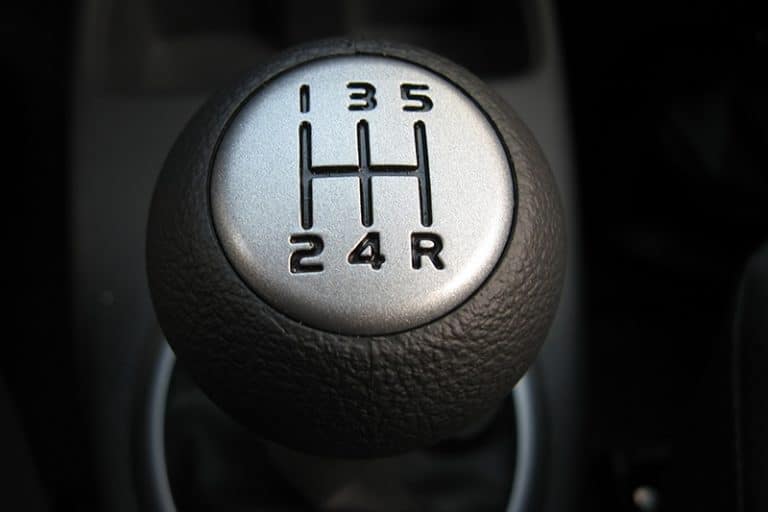
If you drive a manual transmission vehicle in Englewood, your clutch is one of the most critical components keeping you on the road. It’s also one that wears out over time, there’s simply no avoiding it. The good news? Your vehicle will give you plenty of warning signs before the clutch fails completely. At Key Transmission and Gears, we’ve helped countless drivers across the Denver metro area catch clutch problems early, saving them from costly breakdowns and dangerous situations on the road. In this guide, we’ll walk you through the top five signs that your clutch needs replacement, so you know exactly when it’s time to bring your vehicle into our Englewood shop.
How Your Clutch Works and Why It Wears Out
Understanding how your clutch functions helps you recognize when something’s going wrong. The clutch is essentially the connection point between your vehicle’s transmission and engine. It allows you to disengage and reengage these systems using a clutch pedal. When you press the pedal down, you’re separating the engine from the transmission so you can shift gears. Release the pedal slowly, and the engine reconnects to drive the wheels.
Every time you engage the clutch, friction material on the clutch disc presses against the flywheel. This friction is what makes power transfer possible, but it’s also what causes wear. Over tens of thousands of miles, that friction material gradually wears thin. Stop-and-go traffic, hill driving, and aggressive driving habits all accelerate this process.
Here in Englewood and throughout the Denver metro, we see clutches last anywhere from 60,000 to over 100,000 miles depending on driving conditions and habits. But eventually, every clutch reaches the end of its service life. The key is recognizing the warning signs before you’re stranded on I-25 during rush hour.
Slipping Clutch: When Acceleration Doesn’t Match Engine RPMs
A slipping clutch is often the first major warning sign that replacement is near. You’ll notice this when your engine revs increase, but your vehicle doesn’t accelerate proportionally. It’s like pressing the gas and watching the tachometer climb while the speedometer barely moves.
Here are the symptoms you may notice if your clutch is slipping:
- Engine revs high but you get poor acceleration
- Problems with shifting or staying in gear
- Severely declining gas mileage
- Difficulties on hills, needing to downshift often
- Having to press harder to engage the clutch
Slipping typically gets worse over time. What starts as occasional hesitation during hard acceleration can progress to constant slipping even under light throttle. At this point, your clutch disc’s friction material is simply too worn to grip the flywheel effectively.
If you suspect your clutch is slipping, get in touch with Key Transmission and Gears for a thorough diagnosis at our Englewood shop. We’ll first see if any other avenue is available for clutch repair before recommending replacement. And if it does need to be replaced, we offer highly competitive prices.
Grinding or Squealing Noises During Gear Changes
Pay attention to new and unusual noises when you’re driving. Whether you’re shifting or cruising at a consistent speed, grinding or scraping noises could be trouble. These sounds often indicate serious wear on clutch components.
Grinding noises when shifting typically point to one of several issues:
- Worn clutch disc that isn’t fully disengaging
- Damaged throw-out bearing
- Worn synchronizers (though this is technically a transmission issue)
- Failing pilot bearing
Squealing or chirping sounds, especially when you first engage the clutch in the morning, often indicate a worn throw-out bearing. This bearing allows the clutch fork to press against the pressure plate smoothly. When it wears out, metal-on-metal contact creates that unmistakable squeal.
Our experts here at Key Transmission and Gears in Englewood can quickly diagnose what’s causing your clutch noises. Sometimes the fix is as simple as adjusting linkage or replacing a single bearing. Other times, the entire clutch assembly needs replacement. Either way, don’t ignore these sounds, they only get worse and more expensive to repair.
Soft, Spongy, or Sticking Clutch Pedal
The feel of your clutch pedal tells you a lot about the health of your clutch system. A properly functioning clutch pedal should have consistent resistance and a predictable engagement point. When that changes, something’s wrong.
A spongy or soft pedal often indicates:
- Air in the hydraulic line
- Leaky or blocked master cylinder
- Stretched or broken clutch cable
- Worn clutch plate requiring adjustment
A hard pedal that requires excessive force usually points to:
- Linkage problems
- Clutch hydraulic issues
- Worn pressure plate springs
A sticking pedal, one that doesn’t return smoothly or gets hung up, can result from a failing clutch cable, worn bushings, or problems with the clutch pedal pivot itself.
We also see loose or vibrating clutch pedals, which typically indicate worn components in the clutch linkage or mounting points. Any change in pedal feel warrants attention.
The good news is that many pedal-related issues don’t necessarily require full clutch replacement. Our team at Key Transmission and Gears offers clutch repair services that can typically fix numerous problems quickly and painlessly. But don’t put off repairs, what starts as a minor issue can quickly become a major one.
Difficulty Shifting Gears or Gear Engagement Problems
Shifting should be smooth and effortless. If you’re having to use more muscle to change gears, or they won’t change at all, something is definitely wrong. This symptom often appears alongside other warning signs but can sometimes be the first indication of clutch trouble.
Common gear engagement problems include:
- Gears grinding and squeaking noticeably when shifting
- Difficulty getting into first gear or reverse
- Gears popping out of position while driving
- Resistance when moving the shifter
When gears pop out of position, a phenomenon called “popping out of gear”, the transmission can slip into neutral unexpectedly. This disengagement affects drivability and can be dangerous, especially during acceleration or on hills.
It’s worth noting that while clutches and manual transmissions go hand-in-hand, a problem with your clutch probably doesn’t mean there’s a problem with your transmission. The clutch acts as an intermediary, so clutch issues can mimic transmission problems. That’s why proper diagnosis matters.
With more and more drivers switching to automatics, die-hard manual vehicle owners need to be selective when choosing a repair shop. Here at Key Transmission and Gears in Englewood, our team works on every type of transmission all day, every day. Whether you drive foreign or domestic, any make or model, we’ll ensure your clutch and transmission perform reliably.
Burning Smell Coming From the Engine Bay
Cars don’t exactly smell great, but a sudden and noticeable burning smell should never be ignored. If you’re smelling something burning after driving in heavy traffic, going up steep grades, or after aggressive driving, your clutch could be the culprit.
A burning clutch smells distinctly acrid, somewhat like burning paper or toast, but more chemical. This odor occurs when the clutch friction material overheats from excessive slipping. If you’re new to manual transmissions or learning to drive stick, you might experience this occasionally while getting the hang of smooth engagement. But for experienced drivers, this smell is a red flag.
Situations that commonly cause clutch overheating include:
- Riding the clutch (keeping your foot partially on the pedal while driving)
- Repeated starts on steep hills
- Towing loads that exceed your vehicle’s capacity
- Aggressive driving with rapid engagement
If you notice a burning smell regularly, your clutch material is wearing rapidly and replacement may be imminent. Continued overheating can also damage the flywheel, turning what could have been a standard clutch replacement into a more expensive repair.
If you’re experiencing any of these symptoms, get in touch with Key Transmission and Gears in Englewood to have it diagnosed right away. Our ASE-certified technicians will inspect your entire clutch system and give you an honest assessment of what needs repair or replacement.
Conclusion
Recognizing clutch problems early can save you from inconvenient breakdowns and expensive repairs down the road. Whether you’re dealing with slipping, strange noises, pedal issues, shifting difficulties, or burning smells, don’t wait until you’re stranded to take action.
At Key Transmission and Gears in Englewood, we help drivers across the Denver area keep their clutches and vehicles road-ready. For clutch repair services you can trust, call us to schedule an appointment. We’ll diagnose the issue, explore all repair options, and get you back on the road safely.
Recent Comments