
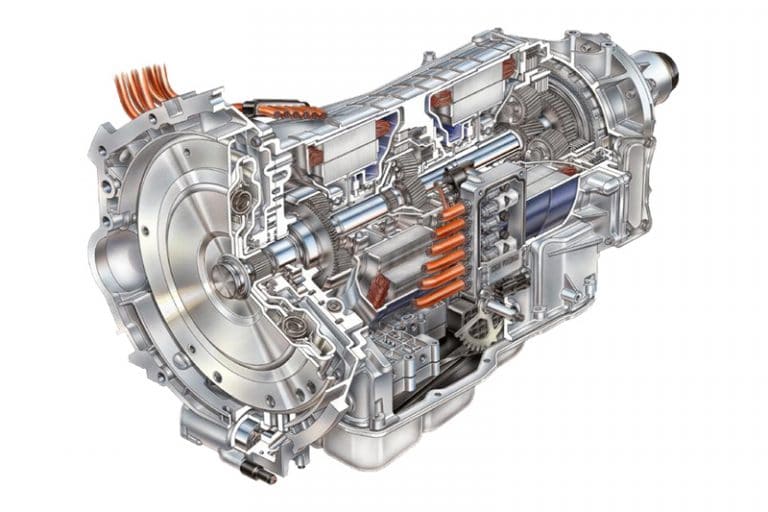
Living in Colorado means dealing with conditions that most transmissions simply weren’t designed to handle. From steep mountain passes to dramatic temperature swings, our state puts serious demands on your vehicle’s drivetrain. At Key Transmission & Gears in Englewood, we’ve seen firsthand how Colorado’s unique driving conditions can accelerate transmission wear, and how the right preventive care makes all the difference. Whether you’re commuting through Denver or tackling I-70 on a weekend ski trip, understanding transmission maintenance isn’t just smart. It’s essential for keeping your vehicle on the road longer.
Why Colorado’s Climate Is Tough on Your Transmission
Colorado’s climate is a transmission’s worst enemy, and that’s not an exaggeration. Our state experiences temperature extremes that push automatic and manual transmissions to their limits.
During winter months, temperatures can plunge well below freezing, causing transmission fluid to thicken. Cold, thick fluid doesn’t flow properly through the system, which means critical components don’t get the lubrication they need during those first crucial minutes of operation. Then summer rolls around, and we’re dealing with the opposite problem, heat that can thin out fluid and reduce its protective properties.
But temperature isn’t the only factor. Colorado’s low humidity and high altitude create additional stress. At elevation, engines work harder to produce power, and that extra effort translates directly to increased transmission load. Your transmission is essentially working overtime just to maintain normal driving performance.
We also can’t ignore the dust and road debris that come with our dry climate. Fine particles work their way into seals and can contaminate transmission fluid over time. This is why drivers in Colorado often need more frequent maintenance than what’s listed in their owner’s manual, those recommendations are typically based on ideal conditions, not Rocky Mountain realities.
Essential Transmission Maintenance Tasks Every Driver Should Know
Understanding what goes into transmission maintenance helps you make informed decisions about your vehicle’s care. Here are the core services that keep transmissions running smoothly.
Fluid Checks and Changes
Transmission fluid is the lifeblood of your drivetrain. It lubricates moving parts, cools the system, and helps transmit power from the engine to the wheels. Checking your fluid regularly, and changing it on schedule, is the single most important thing you can do for transmission longevity.
For most vehicles, we recommend inspecting fluid levels and condition every few months. Healthy transmission fluid should be bright red and have a slightly sweet smell. If it’s dark, smells burnt, or looks cloudy, that’s a sign it’s breaking down and needs to be replaced.
At Key Transmission & Gears, we offer several fluid service options: topping off fluid during inspections, draining the pan and adding fresh fluid, or performing a complete transmission flush to remove all old fluid and clean out accumulated sludge. The right choice depends on your vehicle’s condition and maintenance history.
Filter Replacement and System Inspections
Your transmission filter catches debris and contaminants before they can damage internal components. Over time, filters become clogged and less effective, eventually restricting fluid flow entirely if left too long.
We recommend replacing the filter whenever you have your transmission fluid changed. During this service, our ASE-certified technicians also inspect the pan gasket for cracks or deterioration, check for leaks throughout the system, and examine all accessible components for signs of wear.
These inspections matter because they catch small problems before they become expensive repairs. A minor seal leak caught early might cost a fraction of what you’d pay if the same issue caused internal damage down the road.
How Mountain Driving Affects Transmission Wear
There’s a reason we see so many transmission issues from drivers who regularly travel mountain routes. Climbing and descending Colorado’s passes creates stress that flat-terrain driving simply doesn’t match.
When you’re ascending a steep grade, your transmission works harder to maintain speed. It may downshift frequently, holding lower gears for extended periods. This generates significant heat, the number one enemy of transmission longevity. Fluid temperatures can spike 20 to 50 degrees above normal during sustained climbs, and that heat accelerates fluid breakdown.
Descending is equally demanding, though in different ways. If you’re using your transmission to help control speed (as you should), you’re putting continuous stress on the system. Engine braking relies heavily on transmission components, and steep descents can be surprisingly taxing.
Towing makes everything worse. If you’re pulling a trailer up to the mountains or hauling equipment for work, your transmission is under maximum load. We generally recommend more aggressive maintenance intervals for tow vehicles, around 30,000 miles or even less, depending on how often you tow and over what terrain.
Drivers who regularly tackle mountain routes should consider having their transmission inspected more frequently. It’s a small investment that can prevent major problems later.
Warning Signs Your Transmission Needs Attention
Catching transmission problems early saves money and prevents breakdowns. Here’s what to watch for, and what to do if you notice any of these symptoms.
Unusual shifting behavior is often the first sign something’s off. In automatic transmissions, you might notice gears changing when they shouldn’t, on flat roads at consistent speeds, for example. Manual transmission owners may experience difficulty getting into gear or grinding when shifting.
Strange noises deserve immediate attention. Grinding, scraping, or whining sounds during operation usually indicate internal problems. Don’t wait to have these checked out.
Transmission fluid leaks are serious because transmissions are closed systems. They shouldn’t lose fluid under normal circumstances. Transmission fluid is typically red and easy to spot under your vehicle. If you see it, bring your car in right away.
A burning smell from the engine area often means overheating fluid. This is your transmission telling you it’s in trouble. Continuing to drive can cause permanent damage.
Clutch issues in manual vehicles, whether the pedal feels too hard or too soft, can signal problems ranging from simple adjustments to more significant repairs.
At Key Transmission & Gears, we offer free electronic diagnostics and road testing to pinpoint exactly what’s causing these symptoms. Our team will explain what we find and provide a competitive estimate before any work begins.
Creating a Transmission Maintenance Schedule That Works
A maintenance schedule only works if it accounts for how you actually drive. Generic recommendations don’t cut it for Colorado drivers.
Start with your owner’s manual as a baseline, but adjust for local conditions. If you’re commuting mostly on flat Denver roads, you might follow something close to manufacturer intervals. But if you’re regularly driving mountain routes, towing, or dealing with stop-and-go traffic in extreme temperatures, you’ll want to shorten those intervals.
For manual transmissions, the average service interval is around 30,000 miles, less if you tow frequently or do lots of mountain driving. Automatic transmissions vary more widely depending on the vehicle and fluid type, but 30,000 to 60,000 miles is typical. Again, Colorado conditions often warrant the shorter end of that range.
Here’s a practical approach we recommend to our customers:
- Every oil change: Quick visual inspection of transmission fluid level and condition
- Annually or every 15,000 miles: Comprehensive inspection including filter, gasket, and leak check
- Every 30,000-50,000 miles: Full fluid service (change or flush depending on vehicle needs)
Keep records of all transmission services. This helps you track intervals accurately and adds value if you ever sell the vehicle.
The bottom line? Prevention is always cheaper than repair. A complete transmission rebuild can cost thousands, while routine maintenance runs a fraction of that. At our Englewood shop, we work on all makes and models, foreign and domestic, manual and automatic, and we’re happy to help you develop a maintenance plan that fits your driving habits and budget.
Conclusion
Your transmission faces unique challenges on Colorado roads. Between our extreme temperatures, high altitude, and mountain driving demands, preventive care isn’t optional, it’s the key to avoiding costly repairs and unexpected breakdowns. At Key Transmission & Gears in Englewood, our ASE-certified team serves drivers throughout the Denver metro area with everything from routine maintenance to complete transmission repairs. If something doesn’t feel right with your vehicle, don’t wait. Give us a call to schedule an appointment today.