
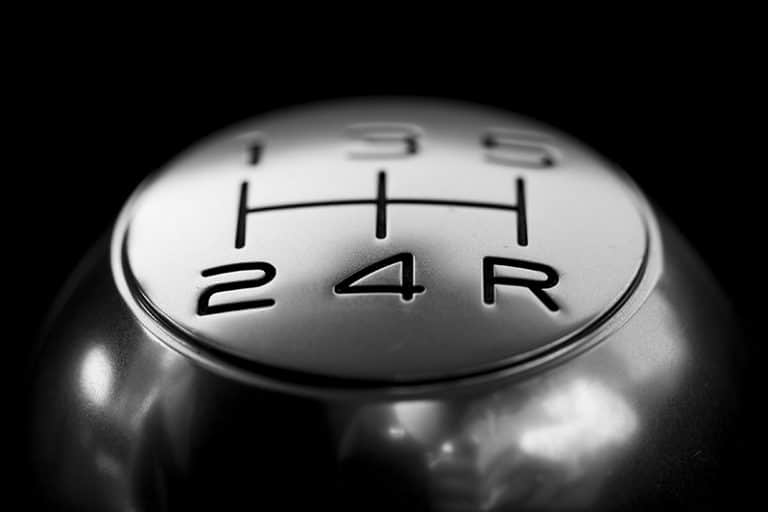
If you’ve ever felt that satisfying click of a perfectly timed gear shift, you know why so many drivers swear by their manual transmissions. But let’s be honest, when something goes wrong with a stick shift, it can turn your daily commute into a frustrating experience real fast. Whether you’re dealing with grinding noises, gears that won’t cooperate, or a clutch that feels off, these issues rarely fix themselves.
At Key Transmission and Gears in Englewood, we’ve seen just about every manual transmission problem imaginable. Our ASE-certified mechanics work on manual and automatic transmissions all day, every day, serving drivers across the Denver metro area. And while we love helping customers get back on the road, we also believe in empowering you with knowledge about what might be going wrong under the hood.
In this guide, we’ll walk through the most common problems with manual transmissions and explain what causes them, how to spot the warning signs, and what it takes to get things running smoothly again.
Difficulty Shifting Gears
Shifting should be smooth and effortless, that’s half the joy of driving a manual. So when you find yourself wrestling with the gear lever or using more muscle than usual to get into gear, something’s definitely not right. This is one of the most common complaints we hear from manual transmission owners, and it typically points to one of two culprits.
Worn Synchronizers
Synchronizers (or synchros) are the unsung heroes of your transmission. These components match the speed of the gear you’re shifting into with the speed of your transmission’s input shaft, allowing for those buttery-smooth gear changes we all love. Over time, though, synchros wear down, especially if you’ve got an aggressive driving style or have racked up serious mileage.
When synchronizers start to fail, you’ll notice resistance when shifting, particularly when moving into second or third gear. The transmission might feel “notchy” or require you to pause mid-shift. Some drivers describe it as the gear lever not wanting to slot into place.
Replacing synchronizers isn’t a quick fix, it requires opening up the transmission. But catching the problem early can prevent more extensive (and expensive) damage down the road. If your shifts are getting progressively harder, don’t wait. Bring your vehicle in for a diagnosis before you’re left stranded.
Clutch System Issues
Sometimes the transmission itself is fine, but the clutch system is causing your shifting headaches. The clutch is the connection point between your vehicle’s transmission and engine, allowing you to disengage and reengage these systems using the clutch pedal. If something’s off with the clutch, your shifts will suffer.
Common clutch-related culprits include:
- Air in the hydraulic line – Creates a spongy pedal and inconsistent clutch engagement
- Stretched or broken clutch cable – Makes it impossible to fully disengage the clutch
- Linkage needing adjustment – Throws off the timing of your shifts
- Leaky or blocked master cylinder – Reduces hydraulic pressure
- Improper play in the clutch pedal – Affects engagement point
Our experts at Key Transmission and Gears offer clutch repair services that can typically fix these problems quickly. We’ll diagnose the root cause and explore every repair option before recommending a full replacement.
Grinding Noises When Shifting
That awful metal-on-metal grinding sound when you shift? Yeah, that’s never good news. Grinding noises are your transmission’s way of screaming for attention, and ignoring them will only make things worse.
Grinding during shifts usually means the synchronizers we mentioned earlier are worn or damaged. When they can’t do their job of matching gear speeds, the gears clash instead of meshing smoothly, hence the grinding. It’s most common when shifting into higher gears but can happen anywhere in the gear range.
But, grinding isn’t always a synchro problem. Other potential causes include:
- Low or degraded transmission fluid – Proper lubrication is essential for smooth operation
- Worn clutch components – If the clutch isn’t fully disengaging, gears will grind
- Damaged gear teeth – Physical damage from past abuse or wear
- Worn bearings – Can create play that leads to gear contact issues
Pay attention to when the grinding occurs. Is it only when you’re shifting into a specific gear? Does it happen when the transmission is cold or all the time? These details help us pinpoint the exact problem faster.
One thing we always tell customers: don’t try to “shift through” the grinding. Forcing a gear that’s grinding will accelerate damage and could leave you with a much bigger repair bill. If you hear grinding, ease off and try again, or better yet, get to the shop.
Clutch Slipping or Not Engaging Properly
A slipping clutch is one of those problems that starts subtle and gets worse fast. You might notice your engine revs climbing but your acceleration isn’t keeping pace. Or you’re having difficulties on hills, needing to downshift more often than usual. These are classic signs of clutch slippage.
Here’s what’s happening: the clutch disc is designed to grip the flywheel and transfer engine power to the transmission. When it slips, that grip is compromised, like trying to walk on ice. Engine power revs up, but it’s not getting to the wheels effectively.
Symptoms of a slipping clutch include:
- Engine revs increase without corresponding acceleration
- Severely declining gas mileage
- Burning smell, especially after climbing hills or in traffic
- Clutch pedal engagement point has changed
- Having to press harder to engage the clutch
Clutch slippage often results from normal wear, the friction material on the clutch disc simply wears down over time, just like brake pads. But it can also be caused by oil contamination from a leaky rear main seal, improper clutch adjustment, or driving habits like “riding” the clutch.
On the flip side, a clutch that won’t engage properly presents its own challenges. If your clutch pedal feels loose, vibrating, or spongy, the hydraulic system might be failing. A hard pedal could indicate linkage problems or issues with clutch hydraulics.
At Key Transmission and Gears, we’ll first see if any repair avenue is available before recommending clutch replacement. And if it does need to be replaced, we offer highly competitive prices. Either way, don’t put off repairs, a slipping clutch only gets worse with time.
Transmission Fluid Leaks
Your transmission is a closed system, meaning it should never leak. That’s exactly why transmission fluid is typically red, so you can spot it easily and get repairs before serious damage occurs.
If you’re seeing red fluid under your car (or reddish-brown if it’s older and dirty), you’ve got a transmission fluid leak. Common leak points include:
- Pan gasket – The most common leak source: gaskets degrade over time
- Input/output shaft seals – Can fail from age or excessive heat
- Speedometer cable seal – Often overlooked but prone to leaking
- Drain plug – Sometimes just needs tightening or a new washer
- Transmission cooler lines – If equipped, these can corrode or crack
Low transmission fluid is a bigger deal than many people realize. Unlike your engine, which has an oil warning light, most manual transmissions won’t alert you when fluid is low. And running a transmission low on fluid causes excessive heat and accelerated wear. Gears and bearings that should last 200,000 miles might fail at 100,000 if they’ve been starved for lubrication.
The fix depends on where the leak originates. A pan gasket replacement is relatively straightforward. Shaft seal replacements require more labor but are still manageable. Either way, catching a leak early saves money, both on the repair itself and by preventing internal damage.
We recommend periodically checking under your vehicle for any fluid accumulation. If you spot anything suspicious, bring it in. Our team will identify the leak source and get it sealed up before it becomes a major problem.
Strange Noises in Neutral
Here’s an odd one: your transmission makes noise even when you’re in neutral. What gives?
Noises in neutral often point to bearing issues. The input shaft bearing, in particular, spins constantly when your engine is running, even in neutral. If that bearing is worn, you’ll hear a low rumbling or whining sound that disappears when you depress the clutch (because that stops the input shaft from spinning).
Other potential causes include:
- Low transmission fluid – Creates a constant whine as components don’t get proper lubrication
- Worn countershaft bearing – Similar symptoms to input shaft bearing failure
- Internal gear wear – Can create various noises depending on the damage
The tricky thing about neutral noises is that they don’t always mean imminent failure. Some transmissions develop a bit of gear noise as they age and continue running fine for years. But a noise that’s getting progressively louder or changing in character? That needs attention.
We’ve had customers bring in vehicles complaining about neutral noises that turned out to be simple fixes, low fluid or a loose component. We’ve also seen cases where ignoring that noise led to complete transmission failure. The point is, you won’t know until you have it checked.
At Key Transmission and Gears, we offer free electronic diagnostics and road testing. Come in, let us listen to what your transmission is telling us, and we’ll give you an honest assessment.
Gears Popping Out of Place
Few things are more alarming than having your transmission pop out of gear while you’re driving. One moment you’re cruising in third, the next you’re in neutral with the engine revving freely. This disengagement affects drivability and, frankly, is a safety concern.
Gears popping out of place, sometimes called “gear slip”, happens when the transmission can’t maintain the gear you’ve selected. Common causes include:
- Worn shift forks – These components hold gears in position: when worn, they can’t maintain proper engagement
- Worn synchronizer sleeves – Create excessive play that allows gears to disengage
- Worn detent springs or balls – The detent mechanism is what gives you that “click” when you shift into gear: if it’s worn, nothing holds the gear in place
- Worn linkage bushings – External linkage wear can allow movement that pops gears out
- Internal wear from high mileage – Sometimes it’s just accumulated wear across multiple components
Interestingly, this problem often shows up in one specific gear first. If your third gear keeps popping out but all others feel fine, that tells us exactly where to focus our diagnosis.
Some quick checks you can do: make sure your transmission fluid is at the proper level and in good condition. Old, degraded fluid doesn’t lubricate as well and can contribute to excessive wear. The average maintenance interval for manual transmissions is around 30,000 miles, less if you tow. If you’ve put on more miles than that since your last service, that’s a good starting point.
But if fluid level and condition are fine and you’re still experiencing gear pop-out, you’ll need professional diagnosis. This typically requires inspection of internal components, which means transmission removal.
Conclusion
Manual transmissions are mechanical marvels, but they’re not maintenance-free. From worn synchronizers to slipping clutches, the problems we’ve covered today are issues we see regularly at our Englewood shop, and they’re all fixable when caught early.
The key takeaway? Don’t ignore the warning signs. Grinding noises, difficulty shifting, gears popping out, strange sounds in neutral, fluid leaks, or a clutch that’s not performing right, these are all your vehicle’s way of telling you something needs attention. And the longer you wait, the more expensive the repair typically becomes.
At Key Transmission and Gears, our family-owned shop specializes in manual transmission repair for all makes and models, foreign and domestic. Whether you need a simple fluid change, clutch repair, or a complete transmission rebuild, our experienced ASE-certified mechanics will diagnose the issue, explain your options clearly, and provide a competitively priced estimate.
If you’re experiencing any of these common issues, or anything else that doesn’t feel right with your manual transmission, contact Key Transmission and Gears in Englewood for an expert diagnosis and fast repairs. We serve the entire Denver metro area and we’re committed to keeping you safely on the road.