
When your transmission starts acting up, grinding gears, delayed shifting, or that dreaded check engine light, the last thing you want to worry about is whether repairs will drain your bank account. That’s where transmission repair warranties come in. But here’s the thing: not all warranties are created equal, and the fine print can make or break your coverage when you actually need it.
We’ve seen countless drivers walk into our shop at Key Transmission & Gears confused about what their warranty actually covers. Understanding the ins and outs of transmission repair warranties can save you thousands of dollars and a whole lot of frustration. Let’s break down everything you need to know.
What Is a Transmission Repair Warranty?
A transmission repair warranty is essentially a promise from a manufacturer, dealership, or repair shop to cover the cost of certain repairs or replacements within a specified timeframe or mileage limit. Think of it as your safety net against unexpected transmission failures.
These warranties typically kick in after a repair has been completed or when you purchase a new or certified pre-owned vehicle. The coverage period varies widely, some last just 90 days, while others extend for years. At Key Transmission & Gears, we stand behind our work with a 12-month or 12,000-mile warranty on repairs, giving our customers in Englewood and the greater Denver area peace of mind long after they drive away.
The core purpose? Protecting you from paying twice for the same problem. If a repair fails or a component breaks down prematurely, a solid warranty means you’re not stuck footing the bill again.
Types of Transmission Warranties Available
Not all transmission warranties work the same way. Understanding the different types helps you make smarter decisions about coverage for your vehicle.
Powertrain Warranties are the most common type bundled with new vehicles. These typically cover your transmission, engine, and drivetrain components for anywhere from 5 to 10 years, depending on the manufacturer.
Extended Warranties (sometimes called service contracts) can be purchased separately to extend coverage beyond the original warranty period. These are popular for drivers keeping their vehicles longer.
Repair Shop Warranties cover work performed at a specific facility. These vary significantly, from 30-day limited warranties to comprehensive coverage like our 12-month/12,000-mile protection.
Manufacturer Warranties vs. Aftermarket Coverage
Manufacturer warranties come directly from the automaker and are typically included when you buy a new car. They’re generally considered more reliable because the manufacturer sets clear standards and has a nationwide network of authorized dealers.
Aftermarket coverage, on the other hand, is purchased from third-party companies after the factory warranty expires. While these can provide valuable protection, they require more scrutiny. Some aftermarket providers have strict claim processes or unexpected exclusions.
The key difference? Manufacturer warranties usually offer straightforward coverage at any authorized dealer. Aftermarket warranties may limit where you can get repairs done or require pre-approval before work begins. Always read the contract carefully and understand exactly what you’re buying.
What Transmission Repair Warranties Typically Cover
Most transmission repair warranties cover the major internal components that keep your transmission functioning properly. Here’s what you can generally expect:
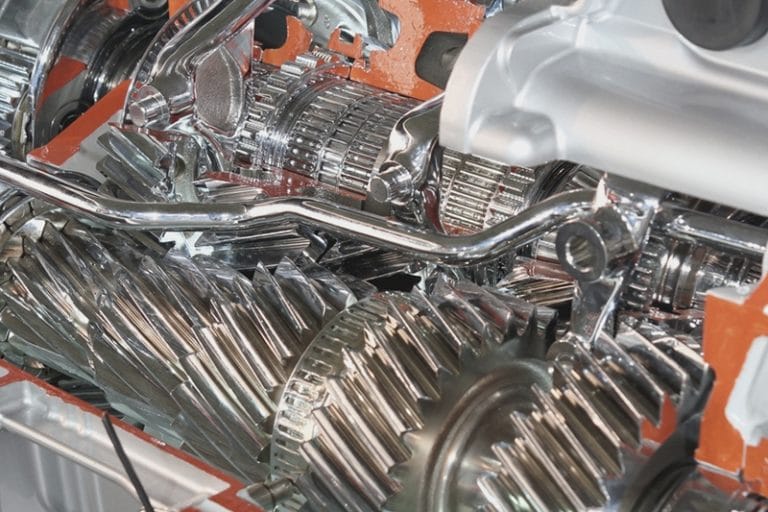
- Internal transmission parts – gears, clutch packs, bands, bearings, and seals
- Torque converter – the component that transfers engine power to the transmission
- Valve body – controls fluid flow and shifting
- Transmission case – if damaged due to internal failure
- Labor costs – the time technicians spend diagnosing and repairing issues
Some comprehensive warranties also cover related components like the transmission cooler, sensors, and electronic controls. For vehicles with manual transmissions, coverage often extends to the clutch assembly, synchronizers, and flywheel, components we work on regularly at our Englewood shop.
The extent of coverage depends heavily on whether you have a “bumper-to-bumper” warranty, a powertrain-specific warranty, or a repair shop guarantee. Higher-tier warranties generally include more components and fewer out-of-pocket expenses for diagnostic work.
One important note: coverage for both automatic and manual transmissions typically differs. Manual transmission warranties may or may not include wear items like the clutch disc, so always verify this upfront.
Common Exclusions That Can Void Your Warranty
Here’s where things get tricky. Even the best transmission warranty won’t help you if you’ve accidentally voided it. Common exclusions include:
Neglected Maintenance – Skipping fluid changes is probably the fastest way to void your warranty. Transmission fluid needs replacing every 30,000 to 60,000 miles (less for tow vehicles). If you can’t prove you’ve maintained your transmission properly, your claim may be denied.
Unauthorized Modifications – Installing performance chips, aftermarket torque converters, or modifying the transmission in any way can void coverage instantly.
Using Incorrect Fluids – Each transmission requires specific fluid. Using the wrong type, even if it seems similar, can cause damage that won’t be covered.
Pre-Existing Conditions – If an issue existed before the warranty period began, it’s typically excluded.
External Damage – Damage from accidents, road debris, or flooding usually falls outside warranty coverage.
Overloading or Misuse – Exceeding your vehicle’s towing capacity or using it for purposes it wasn’t designed for (like racing) can void your protection.
We always recommend keeping detailed service records. When our ASE-certified technicians at Key Transmission & Gears perform maintenance or repairs, we document everything, and that paperwork can be crucial if you ever need to file a warranty claim.
How to Choose the Right Transmission Warranty for Your Vehicle
Selecting the right transmission warranty requires balancing cost, coverage, and convenience. Here’s our advice:
Assess Your Vehicle’s Age and Condition – Older vehicles with higher mileage benefit more from extended coverage since transmission issues become more likely. Newer cars may already have adequate manufacturer protection.
Evaluate Your Driving Habits – Do you commute long distances daily? Tow a trailer regularly? Your usage patterns affect how quickly your transmission wears and what level of coverage makes sense.
Compare Deductibles and Limits – Lower monthly costs often mean higher deductibles when you file a claim. Make sure you understand what you’ll pay out of pocket.
Check Where Repairs Can Be Performed – Some warranties require you to use specific shops or dealers. Others, like ours at Key Transmission & Gears, let you get repairs done at a trusted local facility.
Read Customer Reviews – Before purchasing aftermarket coverage, research the provider. Look for complaints about denied claims or difficult processes.
Ask About Transferability – If you plan to sell your vehicle, a transferable warranty can increase resale value.
Eventually, the right warranty depends on your specific situation. For drivers in the Denver metro area, working with a reputable shop that offers solid warranty coverage on repairs, and that specializes in both foreign and domestic transmissions, eliminates much of the guesswork.
Filing a Transmission Warranty Claim: Step-by-Step Process
When transmission trouble strikes, knowing how to navigate the warranty claim process saves time and stress. Here’s the typical procedure:
Step 1: Recognize the Problem
Pay attention to warning signs, grinding noises, rough gear changes, delayed response when shifting, or visible fluid leaks. If your transmission isn’t behaving normally, don’t ignore it. Small issues can quickly become costly repairs if left unchecked.
Step 2: Review Your Warranty Terms
Before heading to a shop, pull out your warranty documentation. Confirm you’re still within the coverage period and that the symptoms you’re experiencing are likely covered.
Step 3: Contact Your Warranty Provider
Some warranties require pre-authorization before any work begins. Call the provider, explain the issue, and get a claim number or approval code if needed.
Step 4: Get a Professional Diagnosis
Take your vehicle to an authorized repair facility for inspection. At Key Transmission & Gears, we offer free electronic diagnostics and road testing to pinpoint the exact cause of transmission issues.
Step 5: Submit Required Documentation
This typically includes your warranty contract, service records, diagnostic report, and repair estimate. Complete documentation speeds up approval.
Step 6: Await Approval and Complete Repairs
Once approved, the repair shop can proceed. Depending on your warranty, you may need to pay a deductible upfront.
Step 7: Keep All Paperwork
Save copies of everything related to the claim, receipts, authorization codes, and repair invoices. You may need them for future reference.
Conclusion
A transmission repair warranty is only as good as your understanding of it. By knowing what’s covered, what voids your protection, and how to file a claim properly, you’re positioned to save money and avoid headaches down the road.
If you’re in Englewood or anywhere in the Denver metro area and suspect transmission trouble, we’re here to help. Contact Key Transmission & Gears for a free diagnosis, and rest easy knowing our repairs come backed by a 12-month/12,000-mile warranty you can count on.
Recent Comments