
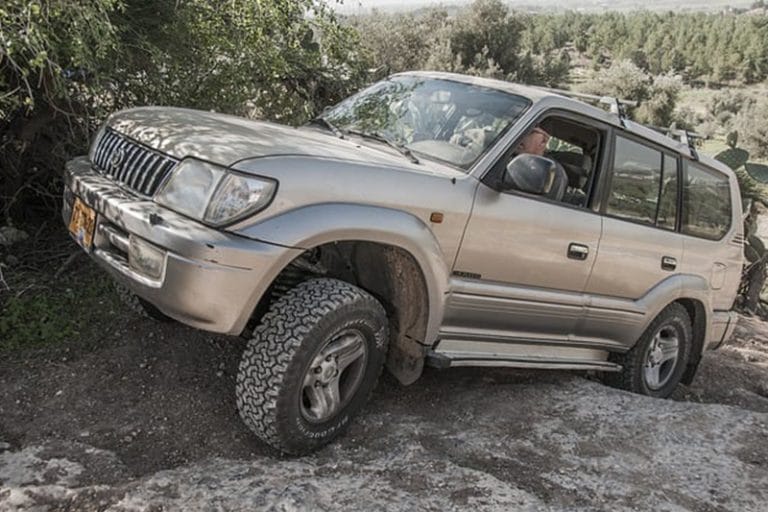
Your vehicle’s suspension system does a lot of heavy lifting, literally. It keeps your car’s body attached to the wheels, absorbs every pothole and bump along the way, and makes sure you stay in control when you’re turning, braking, or cruising down I-25. When everything’s working right, you probably don’t think about it much. But when something goes wrong? You’ll feel it.
At Key Transmission and Gears in Englewood, we see suspension problems all the time. Sometimes they sneak up on drivers gradually, and sometimes they show up as a sudden jolt or strange noise. The good news is that your car usually gives you warning signs before things get really bad. If you know what to look for, you can catch suspension issues early, save money on repairs, and keep yourself safe on the road.
A well-built suspension system can last around 50,000 miles before it needs a closer look. But Colorado roads, winter conditions, and everyday wear can shorten that timeline. Here are five warning signs that it’s time to bring your vehicle in for suspension repairs.
Key Takeaways
- Watch for a rough, bouncy ride—worn shocks and struts can’t absorb road impacts properly, signaling the need for suspension repairs.
- If your vehicle pulls or drifts during turns, worn tie rods, ball joints, or bushings may be compromising your steering control.
- Uneven tire wear patterns like cupping or one-sided wear often point to suspension problems and can shorten tire life.
- Nose diving when braking indicates worn shocks or struts and can increase your stopping distance by up to 20%.
- Visible damage such as leaking fluid, sagging springs, or a lopsided vehicle stance means suspension components need immediate attention.
- Don’t ignore warning signs—early suspension repairs prevent costly cascading damage to tires, brakes, and steering components.
Why Your Suspension System Matters
Before we get into the warning signs, let’s talk about why your suspension is so important in the first place.
Your suspension system isn’t just about comfort. Sure, it keeps you from feeling every crack in the pavement, but it also plays a critical role in safety. The suspension maintains tire contact with the road, which directly affects your ability to steer, accelerate, and brake effectively. When your shocks, struts, springs, and other components are working together, you get that perfect balance of stability and responsiveness.
Think of it this way: your tires are the only part of your car that actually touches the ground. The suspension’s job is to make sure that contact stays consistent and predictable, whether you’re driving on smooth highway or dodging potholes in a parking lot. When suspension components start to fail, that connection becomes unreliable. Your stopping distance increases. Steering gets mushy or unpredictable. And you lose the control you need to react quickly in an emergency.
For drivers in Denver, Englewood, and Centennial, this matters even more. Our roads take a beating from freeze-thaw cycles, and our mountain drives put extra stress on vehicle components. Paying attention to suspension health isn’t optional. It’s essential.
Rough or Bumpy Ride Quality
This is usually the first thing people notice. If your ride suddenly feels rougher than it used to, or you’re feeling every single bump in the road, your shocks or struts are probably worn out.
Healthy shocks and struts absorb road impacts and prevent that jarring, bouncy feeling. When they start to fail, they can’t dampen those impacts anymore. You might feel like the car is bouncing excessively after hitting a bump, or like you’re losing a bit of control on uneven surfaces. Some drivers describe it as feeling “floaty” or disconnected from the road.
The tricky part is that this often happens gradually. Your suspension wears down over months or years, and you get used to the way your car feels. Then you ride in someone else’s car and realize, “Oh, that’s what a smooth ride is supposed to feel like.”
If you’re noticing that your daily commute through Centennial or Denver feels rougher than it used to, don’t just chalk it up to bad roads. There might be a suspension issue that needs attention.
How To Test Your Shocks and Struts
Here’s a simple test you can do at home. Walk to one corner of your vehicle and push down firmly on that corner of the body. Then let go. The car should bounce once, maybe twice, and then settle into place.
If it keeps bouncing three or more times, that’s a sign your shocks or struts are worn and not doing their job. Try this on all four corners of the vehicle. You might find that one corner bounces more than the others, which can help pinpoint where the problem is.
This isn’t a definitive diagnosis, but it’s a quick way to check whether you might need suspension repairs. If the bounce test raises concerns, bring it in for a professional inspection.
Vehicle Pulling or Drifting During Turns
Does your car feel like it’s drifting or swaying when you go around a corner? Maybe it leans excessively to one side, or you feel like you have to fight the steering wheel to stay in your lane. That’s a red flag.
When suspension components like tie rods, ball joints, or control arm bushings start to wear out, they can’t keep your wheels properly aligned and your vehicle stable. The result is that pulling or drifting sensation, especially when you’re turning. At higher speeds, this becomes a real safety concern. If your car isn’t responding predictably to steering input, you can’t react effectively to road hazards or other drivers.
Some drivers also notice a chirping sound from their tires when cornering. This happens when worn suspension parts allow the tires to scrub against the pavement at an angle instead of rolling smoothly through the turn.
Pulling can also be caused by alignment issues or uneven tire pressure, so it’s worth ruling those out first. But if your alignment is fine and your tires are properly inflated, the suspension is likely the culprit. Either way, if your vehicle is drifting or swaying during turns, you shouldn’t ignore it.
Uneven Tire Wear Patterns
Here’s one that a lot of people miss: take a look at your tires. Specifically, look at how they’re wearing.
Healthy tires should wear evenly across the tread. If you’re seeing patches of excessive wear, cupping (a scalloped pattern on the tread), or significantly more wear on one side than the other, something is off. And often, that something is a suspension problem.
When your suspension components are worn or damaged, they can’t keep your tires at the proper angle to the road. This leads to uneven contact, which causes uneven wear. You might also notice this if your shocks or struts are weak, because the tires are bouncing instead of maintaining steady contact.
Uneven tire wear isn’t just a suspension symptom. It can also point to alignment problems, over-inflation or under-inflation, or worn brake components. But if you’re seeing strange wear patterns and ruling out those other causes, it’s time to have your suspension inspected.
The practical concern here is tire life. Tires aren’t cheap, and uneven wear means you’ll be replacing them sooner than you should. Fixing the underlying suspension issue protects your investment in rubber and keeps you safer on the road.
Nose Diving When Braking
Pay attention to what happens when you come to a stop. Does the front end of your vehicle dip sharply toward the ground when you hit the brakes? This is called nose diving, and it’s a classic sign of worn shocks or struts.
When you brake, weight transfers to the front of the vehicle. Healthy shocks and struts control this weight transfer, keeping the front end stable. Worn ones can’t do that as effectively, so the nose dives toward the pavement.
This isn’t just uncomfortable. It’s a safety issue. When your front end dips excessively during braking, it can increase your stopping distance by up to 20%. That’s a lot of extra feet when you’re trying to avoid a collision. It also puts extra stress on your front brakes, which can lead to premature brake wear.
You might also notice something similar when you accelerate. If the rear of your vehicle squats down noticeably when you hit the gas, that’s the same problem in reverse. Your suspension isn’t properly managing weight transfer.
If you’re experiencing nose dive when braking, especially combined with any of the other symptoms on this list, it’s time to schedule an inspection.
Visible Damage or Leaking Fluid
Sometimes suspension problems are easy to spot if you know where to look. Pop your head under the vehicle (or have a mechanic do it) and check for visible signs of damage or wear.
One of the most obvious signs is fluid leaking from your shocks or struts. These components contain hydraulic fluid that helps them dampen road impacts. If you see oily residue or wet spots around your shocks or struts, the seals have failed and fluid is escaping. Once that happens, the component can’t do its job anymore. It needs to be replaced.
Other visual signs include:
- Broken or sagging springs
- Cracked or deteriorating rubber bushings
- Bent or damaged control arms
- Rust or corrosion on suspension components
- A vehicle that sits lower on one side than the other
That last one is particularly telling. If your car looks lopsided when parked on level ground, something in the suspension has failed or is failing.
You don’t need to be a mechanic to spot these issues. Just take a walk around your vehicle occasionally and look for anything that seems off. If a corner looks lower than the others or you see fluid where there shouldn’t be any, that’s your cue to get it checked out.
What To Do When You Notice These Signs
So you’ve noticed one or more of these warning signs. Now what?
The most important thing is to not ignore it. Suspension problems don’t fix themselves, and they tend to get worse over time. A small issue that could be fixed relatively inexpensively can turn into a major repair if you let it go. Worn suspension also puts extra stress on your tires, brakes, and steering components, creating a cascade of problems.
Here’s what we recommend:
- Pay attention to symptoms. Make a mental note (or an actual note) of what you’re experiencing. When does it happen? During braking? When turning? Over bumps? This information helps technicians diagnose the problem faster.
- Do a quick visual check. Look at your tires for uneven wear. Check under the vehicle for visible damage or leaks. See if the car sits level.
- Schedule an inspection. A qualified technician can put your vehicle on a lift and properly examine all the suspension components. They can identify worn parts, check for damage, and give you an accurate picture of what needs to be repaired.
- Prioritize safety. If you’re experiencing severe symptoms like pulling during turns, excessive bouncing, or nose diving when braking, don’t wait. These issues directly affect your ability to control the vehicle.
The sooner you address suspension problems, the safer you’ll be and the less you’ll spend on related repairs. Catching worn shocks early means you’re not also replacing prematurely worn tires, for example.
At Key Transmission and Gears, our ASE-certified technicians have the experience and equipment to diagnose suspension issues accurately. We’ll let you know exactly what’s going on and what it takes to fix it, no guesswork, no unnecessary repairs.
Conclusion
Your suspension system works hard every time you drive, absorbing impacts, keeping your tires on the ground, and making sure you can steer and brake effectively. When something goes wrong, your vehicle will usually let you know. The key is recognizing those warning signs and acting on them before a minor problem becomes a major one.
If you’re experiencing a rough ride, pulling during turns, uneven tire wear, nose diving when braking, or visible damage to suspension components, don’t put off getting it checked. These aren’t just comfort issues. They’re safety issues.
For drivers in Englewood, Denver, and Centennial, Key Transmission and Gears is here to help. We specialize in drivetrain and suspension repairs, and our experienced team can get your vehicle riding smooth and handling safely again. Give us a call or stop by our Englewood shop to schedule an inspection. We’ll take a look, explain what we find, and get you back on the road with confidence.
Frequently Asked Questions
What are the warning signs you need suspension repairs?
The five main warning signs include a rough or bumpy ride, vehicle pulling or drifting during turns, uneven tire wear patterns, nose diving when braking, and visible damage or leaking fluid from shocks and struts. Catching these symptoms early can save money and keep you safe on the road.
How can I test my shocks and struts at home?
Perform a simple bounce test by pushing down firmly on one corner of your vehicle and releasing it. The car should bounce once or twice, then settle. If it bounces three or more times, your shocks or struts are likely worn and need professional inspection.
Why does my car nose dive when braking?
Nose diving during braking indicates worn shocks or struts that can no longer control weight transfer to the front of your vehicle. This is a serious safety concern because it can increase your stopping distance by up to 20% and cause premature brake wear.
How long does a car suspension system typically last?
A well-built suspension system can last around 50,000 miles before needing attention. However, factors like rough road conditions, winter weather, freeze-thaw cycles, and everyday wear can significantly shorten this timeline and require earlier suspension repairs.
How much do suspension repairs typically cost?
Suspension repair costs vary widely depending on the damaged components. Simple shock or strut replacements may range from $200–$600 per wheel, while more complex repairs involving control arms, ball joints, or springs can cost $500–$1,500 or more. Early diagnosis helps avoid expensive cascading repairs.
Can I drive with a bad suspension?
While technically possible, driving with a bad suspension is dangerous. Worn suspension components reduce steering control, increase stopping distances, and cause unpredictable handling—especially during emergency maneuvers. Address suspension issues promptly to maintain vehicle safety and prevent damage to tires and brakes.