
If you’ve ever wondered what keeps your car from hopping and skipping around corners, you can thank your differential. It’s one of those parts most drivers never think about until something goes wrong. And when it does go wrong, the repair bill can be significant.
At Key Transmission and Gears, we see the aftermath of neglected differentials all the time. Drivers in Englewood, Denver, and Centennial bring their vehicles in with grinding noises, vibrations, or worse. The good news? Differential service is straightforward, affordable, and can add years to your vehicle’s life when done on schedule. Let’s break down what your differential actually does, how to spot trouble early, and why this maintenance matters more than most people realize.
Key Takeaways
- Differential service is an affordable maintenance task that can prevent costly repairs and add years to your vehicle’s life.
- Watch for warning signs like whining, clunking, or vibrations—catching differential problems early saves money and prevents dangerous failures.
- Most manufacturers recommend changing differential fluid every 30,000 to 60,000 miles, but towing, off-roading, or extreme weather may require more frequent service.
- Neglecting differential maintenance can lead to gear seizure, which may lock a wheel while driving and result in repair bills several times higher than routine service costs.
- Regular differential service improves fuel efficiency, extends component life, and ensures better traction and handling—especially important for mountain driving and variable weather conditions.
What Is a Differential and How Does It Work?
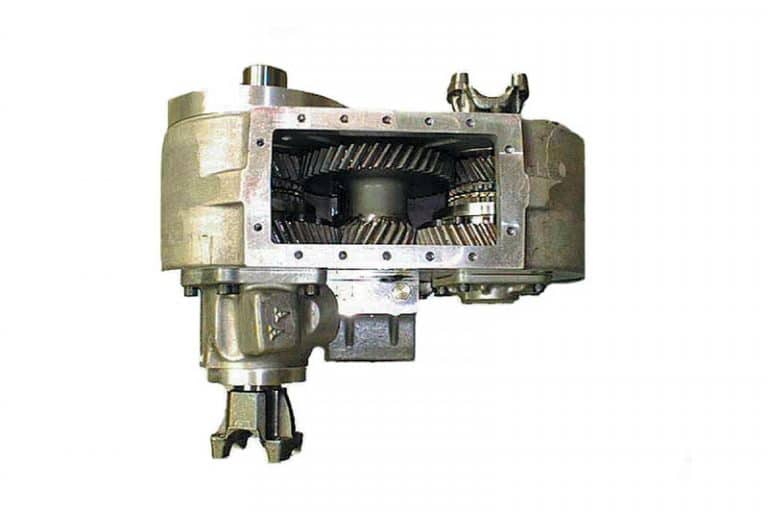
The differential is a gear assembly located in your vehicle’s front or rear axle (sometimes both, depending on your drivetrain). Its job is surprisingly clever: it allows your left and right wheels to rotate at different speeds while still receiving power from the engine.
Why does that matter? Think about what happens when you turn. The outside wheel has to travel a longer distance than the inside wheel. If both wheels were locked together and forced to spin at the same speed, you’d experience tire scrub, excessive wear, and serious stress on your drivetrain. The differential solves this by distributing torque appropriately to each wheel based on the driving situation.
Here’s the basic setup inside a differential housing:
- Ring gear: Receives power from the driveshaft
- Pinion gear: Meshes with the ring gear to transfer torque
- Spider gears (side gears): Allow the axle shafts to rotate at different speeds
When you’re driving straight, both wheels turn at nearly the same speed, and the spider gears barely move. When you turn, those gears rotate to compensate for the speed difference between your left and right wheels.
Front-wheel-drive vehicles typically have the differential integrated into the transaxle. Rear-wheel-drive trucks and SUVs have a separate rear differential. All-wheel-drive and 4×4 vehicles often have differentials at both ends, plus a transfer case. Limited-slip and locking differentials add clutches or internal mechanisms to improve traction, which is why they’re popular for Colorado’s mountain roads and variable weather conditions.
Signs Your Differential Needs Attention
Differential problems rarely announce themselves all at once. Most start subtle and get progressively worse. Catching these signs early can mean the difference between a simple fluid change and a complete rebuild.
Common Warning Sounds
Your ears are often the first line of defense. Here’s what to listen for:
- Whining or humming that changes pitch when you accelerate or decelerate. This often points to worn ring-and-pinion gears or low/degraded fluid.
- Clunking or banging when you shift from drive to reverse, or when you first start moving. This can indicate excessive gear backlash or worn bearings.
- Rumbling or vibration that gets worse as your speed increases. The faster you go, the louder it gets.
- Chirping from your tires when cornering, even at low speeds. This suggests the differential isn’t allowing proper wheel speed variation.
- Howling under load, especially when climbing hills or towing.
If you notice any new noise coming from the front or rear of your vehicle that rises and falls with road speed, don’t ignore it. These sounds tend to worsen quickly once they start.
Handling and Performance Issues
Differential problems aren’t just about noise. They affect how your vehicle drives and handles.
You might feel binding or resistance when turning, particularly at low speeds in parking lots. This is sometimes called “crow hop” and it happens when the differential can’t properly distribute power during tight turns.
Other performance red flags include:
- Poor traction, especially in one wheel
- Shuddering or vibration during acceleration
- Erratic engagement in AWD or 4WD systems
- Uneven or premature tire wear
- A burning smell after driving, which could indicate overheated gear oil
Fluid leaks around the differential cover or axle seals are another warning sign. If you see dark, thick oil pooling under your vehicle near the axles, get it checked out. Low fluid levels accelerate wear dramatically.
What Happens During a Differential Service?
A standard differential service is focused on one main thing: the fluid. Differential gear oil does the heavy lifting of lubricating gears and bearings, dissipating heat, and carrying away metal particles that naturally accumulate from normal wear.
Here’s what we do during a typical service at Key Transmission and Gears:
- Visual inspection: We check for leaks, damage to the housing, and any external signs of trouble.
- Drain the old fluid: The fill plug and drain plug (or differential cover) are removed to let the old gear oil drain completely.
- Inspect the fluid: The condition of the old fluid tells us a lot. Dark, burnt-smelling fluid or excessive metal shavings can indicate internal wear that needs further attention.
- Clean the housing: We flush out metal particles and sludge that have accumulated inside.
- Replace gaskets and seals: Any gaskets or seals disturbed during the process get replaced to prevent future leaks.
- Refill with fresh fluid: We add the exact type and quantity of gear oil specified by your vehicle’s manufacturer. This is important because different differentials (especially limited-slip units) require specific fluid formulations.
The whole process takes less time than most people expect, and it’s far less expensive than the alternative of major repairs. For vehicles with limited-slip differentials, we also add the appropriate friction modifier to keep those clutch packs operating smoothly.
Our ASE-certified technicians work on all makes and models, foreign and domestic. Whether you drive a compact car, a heavy-duty truck, or an SUV with all-wheel drive, the process follows the same fundamental steps with adjustments for your specific vehicle.
How Often Should You Service Your Differential?
Most manufacturers recommend changing differential fluid every 30,000 to 60,000 miles. Your owner’s manual will have the specific interval for your vehicle, and we recommend following it.
But here’s the thing: that recommendation assumes “normal” driving conditions. If any of the following apply to you, shorter intervals make sense:
- Towing or hauling heavy loads: Extra weight means extra heat and stress on the differential.
- Off-roading: Dirt, water crossings, and steep grades all take a toll.
- Frequent short trips: The fluid never fully warms up, which allows moisture to accumulate.
- Driving in extreme temperatures: Colorado’s hot summers and cold winters both affect fluid performance.
- Stop-and-go traffic: More acceleration cycles mean more wear.
For drivers who fit these categories, servicing the differential every 30,000 miles (or even sooner) is a smart investment.
Even if you don’t drive many miles, time matters too. Gear oil can degrade and absorb moisture over the years, leading to corrosion inside the housing. Vehicles that sit for extended periods or only see occasional use should still have their differential fluid changed every few years.
When you bring your vehicle to our Englewood shop, we can pull up the manufacturer’s recommendations for your specific make and model and help you determine the right service schedule based on how you actually drive.
The Cost of Neglecting Differential Maintenance
We get it. It’s easy to skip maintenance that doesn’t seem urgent. The car runs fine, there’s no warning light on the dashboard, and life is busy. But differential service is one of those things where a little prevention saves a lot of money down the road.
Here’s what happens when gear oil breaks down or runs low:
- Increased friction: Without proper lubrication, metal gears and bearings grind against each other.
- Heat buildup: Friction generates heat, which further degrades the remaining fluid.
- Metal contamination: Wear particles circulate through the housing, acting like sandpaper on precision components.
- Accelerated damage: Each mile makes things worse in a feedback loop.
In the worst cases, the gears or bearings can seize completely. This can happen suddenly, potentially locking a wheel while you’re driving. That’s not just expensive: it’s dangerous.
A full differential rebuild or replacement can cost several times more than years of routine fluid changes. We’re talking potentially thousands of dollars versus a relatively minor service expense. And if the differential failure damages axle shafts, the driveshaft, or other connected components, the bill climbs even higher.
The math is simple: regular differential service is cheap insurance against catastrophic drivetrain failure.
Benefits of Regular Differential Service
Beyond avoiding expensive repairs, keeping up with differential maintenance offers real, everyday benefits:
Smoother, quieter driving: Fresh gear oil reduces friction and helps components mesh properly, which translates to less noise and vibration.
Better fuel efficiency: When your drivetrain isn’t fighting against degraded lubricant, it operates more efficiently. You won’t notice a huge difference, but every bit helps.
Improved traction and handling: A healthy differential distributes power the way it’s supposed to, which matters especially in wet or slippery conditions.
Extended component life: Gears, bearings, seals, and limited-slip clutches all last longer when they’re properly lubricated. This applies to the entire axle assembly.
Fewer breakdowns: Differential failure can leave you stranded. Regular service dramatically reduces that risk.
Higher resale value: A well-maintained drivetrain is a selling point. Buyers (and their mechanics) notice when maintenance has been kept up.
For drivers in Denver, Centennial, and the surrounding areas, where mountain driving and variable weather are part of life, these benefits are especially relevant. Your differential works harder on steep grades, in snow, and when temperatures swing between extremes. Keeping it serviced means it’s ready for whatever Colorado throws at it.
Conclusion
Differential service doesn’t get the attention that oil changes or brake jobs do, but it’s just as important for your vehicle’s longevity and your safety on the road. The differential works hard every time you drive, and it needs clean, properly specified fluid to do its job.
Watch for warning signs like unusual noises, vibrations, or handling problems. Follow your manufacturer’s recommended service intervals, and adjust for severe driving conditions if they apply to you. A small investment in maintenance now prevents major headaches later.
At Key Transmission and Gears, our ASE-certified technicians handle differential repairs and maintenance for all makes and models, from compact cars to heavy-duty trucks. We also offer free electronic diagnostics and road testing if you suspect something’s off with your drivetrain. Whether you need a routine fluid change or you’re hearing noises that have you worried, we’re here to help.
Give us a call or stop by our Englewood shop. We serve drivers throughout Denver, Centennial, and the surrounding communities, and we’d be happy to take a look at your vehicle.
Frequently Asked Questions
What does a differential do in a car?
The differential is a gear assembly that allows your left and right wheels to rotate at different speeds while receiving power from the engine. This is essential when turning corners, as the outside wheel travels a longer distance than the inside wheel, preventing tire scrub and drivetrain stress.
How often should you service your differential?
Most manufacturers recommend differential service every 30,000 to 60,000 miles. However, if you tow heavy loads, drive off-road, make frequent short trips, or experience extreme temperatures, you should service it closer to 30,000 miles or sooner to prevent premature wear.
What are the signs of a bad differential?
Common warning signs include whining or humming noises that change with speed, clunking when shifting gears, vibrations at higher speeds, tire chirping when cornering, and fluid leaks near the axles. You may also notice binding when turning or poor traction in one wheel.
How much does it cost to replace a differential vs. servicing it?
A differential rebuild or replacement can cost several thousand dollars, while routine differential service—which involves draining old fluid, cleaning the housing, and refilling with fresh gear oil—is significantly less expensive. Regular maintenance is affordable insurance against catastrophic drivetrain failure.
Can you drive with a bad differential?
Driving with a failing differential is risky. Continued use can cause gears or bearings to seize, potentially locking a wheel while driving. This creates a dangerous situation and can lead to costly damage to axle shafts, the driveshaft, and other drivetrain components.
What happens during a differential service?
During differential service, technicians drain the old gear oil, inspect the fluid for signs of wear like metal shavings, clean the housing, replace gaskets and seals, and refill with manufacturer-specified fluid. For limited-slip differentials, a friction modifier is added to maintain clutch pack performance.