
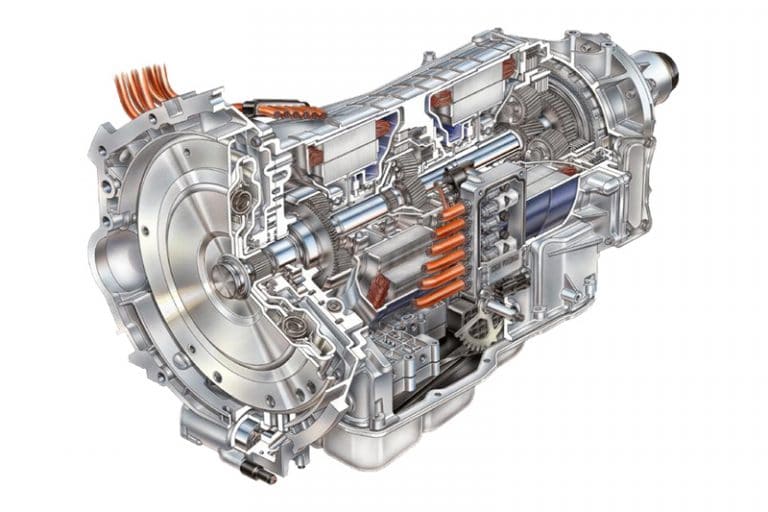
Your transmission is one of those vehicle components you probably don’t think much about, until something goes wrong. And when it does, you’ll definitely notice. Whether you drive an automatic or manual, that complex system of gears, clutches, and fluid is responsible for transferring power from your engine to your wheels. Without it working properly, you’re not going anywhere.
Here in Englewood and across the Denver metro area, we see transmission problems of all kinds roll into our shop. Some drivers catch the warning signs early and save themselves thousands of dollars. Others ignore that strange grinding noise or burning smell until they’re stranded on the side of I-25. We don’t want that for you.
In this guide, we’ll walk you through exactly how your transmission works, the warning signs that indicate trouble, and what to do when you suspect something’s off. If you’re already noticing symptoms, don’t wait, contact Key Transmission and Gears in Englewood for an expert diagnosis and fast repairs.
Understanding How Your Transmission Works
Before we jump into the warning signs, it helps to understand what your transmission actually does. Think of it as the middleman between your engine and your wheels. Your engine generates power, but that power needs to be controlled and directed, that’s where the transmission comes in.
In an automatic transmission, the system uses a torque converter and a complex series of planetary gear sets to shift through gears without any input from you. Sensors and hydraulic fluid work together to determine the optimal gear based on your speed, throttle position, and driving conditions. It’s remarkably sophisticated, which is also why automatic transmission repair can get complicated when something goes wrong.
Manual transmissions operate differently. You’re in control, using the clutch pedal and gear shift to manually select gears. The clutch connects and disconnects the engine from the transmission, allowing smooth gear changes. While manuals have fewer electronic components, they still require regular maintenance, and clutch repair or replacement becomes necessary over time.
Both types rely heavily on transmission fluid. This fluid lubricates moving parts, cools the system, and in automatics, provides the hydraulic pressure needed for gear changes. When fluid breaks down or levels drop, problems follow quickly.
At Key Transmission & Gears, our specialty is maintenance, diagnostics, and comprehensive repairs for both manual and automatic transmissions. Whether you drive foreign or domestic, any make or model, our team of ASE-certified technicians works on every type of transmission all day, every day. Understanding how your system works is the first step toward recognizing when something isn’t right.
Warning Signs of Transmission Problems
Catching transmission issues early can mean the difference between a minor repair and a complete rebuild. Here are the symptoms we see most often at our Englewood shop, and what they might indicate.
Unusual Noises and Vibrations
Your transmission should operate relatively quietly. So when you start hearing grinding, whining, clunking, or humming sounds, pay attention. These noises often point to worn gears, low fluid, or failing bearings.
Grinding is particularly concerning. In manual transmissions, grinding when you shift usually indicates a worn clutch or synchronizer problems. In automatics, it might suggest internal damage that needs immediate attention. Scraping or buzzing sounds while cruising at consistent speed? That’s your cue to get a professional diagnosis.
Vibrations are another red flag. Jerking or intense vibrations during gear changes, rough acceleration, or a shaky ride can all indicate transmission trouble. We’ve had customers describe it as feeling like they’re driving over rumble strips when the road is perfectly smooth.
Slipping Gears and Delayed Shifting
This one’s hard to miss. If your transmission is slipping, you might be driving along and suddenly feel the car shift gears for no apparent reason, even on flat ground at constant speed. The engine revs but you don’t get the acceleration you expect. It’s unsettling, and it’s dangerous.
In automatics, lack of response is a classic symptom. You put your car into “drive” but actual forward movement lags behind. High engine revving without corresponding movement is a clear transmission red flag.
For manual transmission owners, slipping often relates to clutch problems. Symptoms include:
- Engine revs but you get poor acceleration
- Having to press harder to engage the clutch
- Difficulties on hills, needing to downshift often
- Clutch pedal feels loose, vibrating, or spongy
If you suspect clutch slipping, get in touch with Key Transmission and Gears for a thorough diagnosis. We’ll first see if any other avenue is available for clutch repair before replacement, and if it does need to be replaced, we offer highly competitive prices.
Leaking Fluid and Burning Smells
Your transmission is a closed system, meaning it should never leak. Transmission fluid is typically bright red (though it darkens with age), making it easier to spot on your garage floor or driveway. If you see any red fluid pooling beneath your vehicle, don’t ignore it.
Low fluid levels lead to overheating, poor lubrication, and eventually, major internal damage. The good news? A leak doesn’t always mean catastrophic failure. Sometimes it’s a worn gasket or seal that we can replace relatively affordably.
And speaking of overheating, that burning smell matters. Cars don’t exactly smell great in general, but a sudden and noticeable burning odor should never be ignored. If it’s transmission fluid burning off, you’re on your way to major damage. Overheated fluid loses its lubricating properties and can cause permanent harm to internal components.
Dashboard Warning Lights
Modern vehicles are equipped with sensors that monitor transmission performance. When something’s off, your check engine light or transmission temperature warning light will illuminate. Don’t assume it’s a false alarm or “just a sensor.”
These warnings exist for a reason. Even if your car seems to be running fine otherwise, that light indicates the computer has detected an issue worth investigating. At Key Transmission and Gears, we offer free electronic diagnostics and road testing to pinpoint exactly what’s triggering that warning. Once we identify the issue, we’ll explain everything you need to know and provide a competitively priced estimate.
Why Prompt Transmission Repair Matters
We get it, car repairs are expensive and inconvenient. It’s tempting to put off that weird noise or hope that slipping will somehow fix itself. But here’s the reality: transmission problems virtually never improve on their own. They only get worse.
What starts as a minor leak or slight hesitation can quickly escalate into complete transmission failure. We’ve seen customers come in with what could have been a $300 repair turn into a $3,000 rebuild because they waited too long. The internal components of your transmission are interconnected. When one part fails, it often damages others in the process.
There’s also the safety factor. A transmission that slips unexpectedly or fails to engage properly puts you and other drivers at risk. Imagine merging onto the highway when your car suddenly loses power, or your vehicle lurching unpredictably in stop-and-go traffic.
Prompt repairs also protect your overall investment. Your transmission is one of the most expensive components in your vehicle. Regular maintenance and early intervention when problems arise can extend its life significantly. At Key Transmission and Gears, we provide all the maintenance needed to keep your transmission healthy, periodic inspections, fluid changes, filter replacements, and complete flushes to clear out sludge.
Plus, our repairs come with a 12 months or 12,000-mile warranty. So don’t wait for a small problem to turn into a complex and costly transmission repair. If something doesn’t feel right, trust your instincts.
What to Expect During a Transmission Inspection
Not sure what happens when you bring your vehicle in for a transmission check? Here’s a breakdown of our inspection process at Key Transmission and Gears.
We start with a conversation. Our technicians want to know exactly what you’ve been experiencing, when the symptoms occur, how long they’ve been happening, and any other relevant details. This information helps us narrow down potential causes before we even pop the hood.
Next comes the diagnostic phase. We use electronic diagnostic equipment to read any trouble codes stored in your vehicle’s computer. These codes provide valuable clues about what’s malfunctioning. But codes alone don’t tell the whole story, which is why we also perform road testing to experience the symptoms firsthand.
The physical inspection involves checking fluid levels and condition, examining the transmission pan for metal shavings or debris (which indicate internal wear), inspecting seals and gaskets for leaks, and evaluating external components like linkages and mounts.
For manual transmissions and clutch issues, we’ll assess clutch pedal feel, check for hydraulic problems, examine the clutch cable, and evaluate the throw-out bearing. Common clutch problems we repair include:
- Air in the hydraulic line
- Linkage needing adjustment
- Stretched or broken clutch cable
- Bad throw-out bearing
- Leaky or blocked master cylinder
- Improper play in clutch pedal
Once we’ve completed our assessment, we’ll sit down with you and explain our findings in plain language. No confusing jargon, no pressure tactics. We’ll outline your options, provide a detailed estimate, and let you make an well-informed choice about how to proceed.
Our trained automatic transmission technicians and manual transmission specialists are here to provide a complete range of services, from factory-scheduled maintenance to repairs, rebuilds, and even complete replacements when necessary.
Choosing a Reliable Transmission Repair Shop in Englewood
Transmission work isn’t something you want to trust to just anyone. It requires specialized knowledge, proper equipment, and experience with the specific type of transmission in your vehicle. Here’s what to look for when choosing a transmission repair shop in Englewood or the Denver area.
Specialization matters. General repair shops handle a bit of everything, but transmission work is complex enough that specialists typically deliver better results. Look for a shop that focuses specifically on transmission repair, differential repair, and related drivetrain services.
Certifications count. ASE (Automotive Service Excellence) certification indicates that technicians have passed rigorous testing and demonstrated competency in their field. Our team at Key Transmission & Gears includes ASE-certified mechanics who work on transmissions daily.
Experience with your vehicle type. With more and more drivers switching to automatics, die-hard manual vehicle owners need to be selective about where they take their cars. Make sure your chosen shop has experience with both automatic and manual transmissions, as well as foreign and domestic vehicles.
Transparent pricing and warranties. Reputable shops provide detailed estimates before beginning work and stand behind their repairs with solid warranties. Be wary of shops that give vague quotes or refuse to put pricing in writing.
Local reputation. Check reviews, ask for referrals, and look for a shop with roots in the community. Family-owned businesses often take extra pride in their work because their reputation is everything.
At Key Transmission and Gears, we’re a family-owned and operated shop serving Englewood and the entire Denver metro area. We work on cars, trucks, and SUVs, all makes and models. Beyond transmission repair, we also handle differential repairs, suspension repairs, transfer cases, axles, 4×4 locking hubs, wheel bearings, timing belts, and more.
If you’re experiencing cupped or uneven tire wear, excessive bouncing over bumps, drifting when turning, or a rough ride, these could point to differential or suspension issues we can address. Our goal is keeping your entire drivetrain performing safely and reliably.
Conclusion
Your transmission works hard every single time you drive. Recognizing the warning signs of trouble, unusual noises, slipping gears, fluid leaks, burning smells, and dashboard warnings, can save you significant money and keep you safe on Englewood’s roads and throughout the Denver metro.
The key takeaway? Don’t ignore what your vehicle is telling you. Those small symptoms rarely stay small. Early diagnosis and repair almost always cost less than waiting until something fails completely.
If you’re experiencing any of the signs we’ve discussed, or if it’s simply been a while since your transmission received professional attention, we’re here to help. At Key Transmission and Gears in Englewood, Colorado, our experienced team provides expert diagnostics, honest assessments, and quality repairs backed by our 12-month/12,000-mile warranty.
Schedule your appointment today and let us help you get back on the road with confidence. Whether you need automatic transmission repair, manual transmission service, clutch replacement, or differential and suspension work, we’ve got you covered.