
If you’ve ever been cruising through Englewood or navigating Denver traffic and noticed something feels “off” with your clutch, you’re not alone. Clutch problems are one of the most common issues we see at our shop, and the tricky part is that many drivers don’t realize there’s a problem until they’re stranded on the side of Broadway or struggling to merge onto I-25.
Here’s the thing: your clutch isn’t designed to last forever. Most clutches hold up for 60,000 to 100,000 miles, but that number varies wildly depending on driving habits, terrain (hello, Colorado mountains), and maintenance. The good news? Your vehicle usually gives you plenty of warning signs before the clutch fails completely.
At Key Transmission and Gears in Englewood, we’ve helped countless drivers across the Denver area diagnose and repair clutch issues, sometimes catching problems early enough to avoid a full replacement. In this guide, we’ll walk you through the top five signs your clutch needs replacement, what to look out for, and when it’s time to bring your vehicle in for professional clutch repair in Englewood.
Slipping Clutch During Acceleration
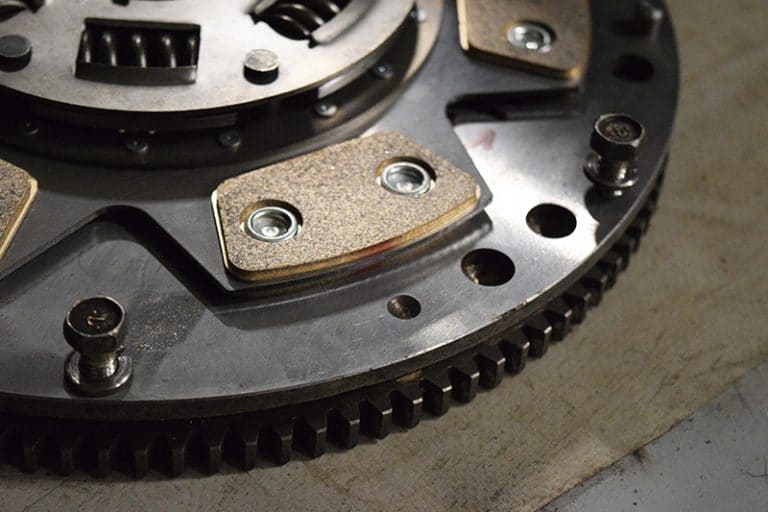
A slipping clutch is probably the most telling sign that something’s wrong, and it’s one we see regularly at our Englewood shop. When your clutch slips, it means the clutch disc isn’t gripping the flywheel properly, so power from the engine isn’t being transferred efficiently to the transmission.
You’ll typically notice this issue most during acceleration. You press the gas pedal, the engine revs climb, but the car doesn’t accelerate the way it should. It’s like the engine and transmission are having a miscommunication. This problem tends to get worse when you’re hauling heavy loads, climbing steep grades (pretty unavoidable around here), or accelerating hard to merge onto the highway.
Some drivers describe it as the car “losing power” momentarily. Others notice their RPMs shooting up without a corresponding increase in speed. Either way, it’s not something to ignore.
What Clutch Slippage Feels Like
So what exactly does clutch slippage feel like? Here are the most common symptoms we hear from drivers:
- Engine revs rise without acceleration – You hit the gas, the tachometer needle climbs, but the speedometer stays put. This disconnect is a classic slippage symptom.
- Delayed engagement – There’s a noticeable lag between releasing the clutch pedal and the car actually moving forward.
- Loss of power on hills – When climbing an incline, the vehicle struggles to maintain speed even with increased throttle.
- Burning smell – A slipping clutch generates friction and heat, which often produces a distinct burning odor (more on that later).
Clutch slippage can sometimes be caused by oil contamination on the clutch disc, a worn pressure plate, or simply a clutch that’s reached the end of its lifespan. If you suspect your clutch is slipping, get in touch with Key Transmission and Gears for a thorough diagnosis at our Englewood shop as soon as possible. We’ll first explore every avenue for clutch repair before recommending replacement, and if it does need to be replaced, we offer highly competitive prices.
Difficulty Shifting Gears
When your clutch is working correctly, shifting gears should feel smooth and effortless. You press the clutch pedal, the gears disengage, you move the shifter, release the pedal, and you’re on your way. Simple.
But when there’s a clutch problem, this process becomes anything but smooth. You might find yourself wrestling with the gear lever, feeling resistance when trying to slot into first or reverse, or experiencing that stomach-dropping moment when the shifter just won’t go where you want it to.
There are several potential culprits behind difficult shifting:
- Stretched or broken clutch cable – The cable that connects your pedal to the clutch mechanism can wear out over time, preventing full disengagement.
- Air in the hydraulic line – For vehicles with hydraulic clutch systems, air bubbles in the line can cause inconsistent pedal feel and incomplete clutch release.
- Linkage needing adjustment – Sometimes the fix is as simple as adjusting the clutch linkage to restore proper pedal travel.
- Worn clutch disc or pressure plate – When these components wear down, they can’t fully disengage, making shifts rough or nearly impossible.
We see a lot of Englewood and Denver drivers come in worried they’ve got transmission problems when the real issue is clutch-related. And while clutches and manual transmissions go hand-in-hand, a problem with your clutch probably doesn’t mean there’s a problem with your transmission. That’s an important distinction, and one that can save you significant money on repairs.
Our experts at Key Transmission and Gears can quickly diagnose whether you’re dealing with a clutch issue or something more serious. Many shifting problems can be resolved with minor repairs like bleeding the hydraulic system or adjusting linkage, so don’t assume you’re facing a major expense before getting a professional opinion.
Grinding or Squeaking Noises
Your vehicle communicates with you through sounds, and when it comes to clutch problems, those sounds are usually hard to miss. Grinding, squeaking, squealing, or scraping noises are all red flags that something’s not right.
Pay attention to new and unusual noises. Whether you’re shifting or cruising at a consistent speed, grinding or scraping sounds could indicate trouble. The timing and nature of the noise can actually tell us a lot about what’s going on.
Grinding when shifting: If you hear a grinding noise when you shift gears, the clutch may not be fully disengaging. This means the gears are still spinning when you try to mesh them together, metal on metal. Not good. Over time, this can damage both the clutch and the transmission synchronizers.
Squeaking or squealing when pressing the pedal: A high-pitched squeak when you depress the clutch pedal often points to a worn throw-out bearing (also called a release bearing). This bearing allows the clutch to engage and disengage smoothly, and when it wears out, you’ll definitely hear about it.
Rattling or chirping at idle: If you hear a rattling sound that goes away when you press the clutch pedal, it could be a worn pilot bearing or a loose clutch component.
Some drivers try to ignore these noises, turning up the radio or hoping the problem will somehow fix itself. We get it, car repairs aren’t exactly fun. But here’s the reality: clutch noises rarely get better on their own. They almost always get worse, and the longer you wait, the more damage can occur.
A bad throw-out bearing is a relatively straightforward fix when caught early. But if you keep driving on it, you risk damaging the pressure plate, flywheel, or even the transmission itself. Suddenly, a $200-$400 bearing replacement becomes a $1,500+ repair job.
If you’re hearing any of these common noises, contact Key Transmission and Gears in Englewood for an expert diagnosis and fast repairs.
Soft or Spongy Clutch Pedal
The feel of your clutch pedal tells you a lot about the health of your clutch system. A properly functioning clutch pedal has consistent resistance, it takes a certain amount of pressure to push it down, and it springs back smoothly when you release it.
But what happens when that feel changes?
A soft or spongy pedal often indicates a problem with the hydraulic system. Most modern manual transmissions use a hydraulic clutch system with a master cylinder and slave cylinder. When air gets into this system, or when there’s a leak, the pedal can feel mushy and unresponsive. You might push the pedal all the way to the floor without fully disengaging the clutch.
Common causes include:
- Leaky or blocked master cylinder – The master cylinder creates hydraulic pressure when you press the pedal. If it’s leaking or obstructed, you won’t get proper engagement.
- Air in the hydraulic line – Even small air bubbles can cause a spongy pedal feel.
- Worn seals – The seals in both the master and slave cylinders can degrade over time, leading to fluid leaks and pressure loss.
A hard or stiff pedal is the opposite problem but equally concerning. If your clutch pedal feels unusually difficult to press, it could point to:
- Problems with the clutch linkage or cable – A stretched, frayed, or binding cable can make the pedal hard to push.
- Issues with the clutch hydraulics – A seized or failing master cylinder can also cause excessive pedal resistance.
- Worn clutch components – A warped pressure plate or damaged clutch disc can increase the force needed to operate the clutch.
For a hard pedal, it could be linkage or clutch hydraulics. For a soft pedal, you may just need a clutch adjustment or inspection of the clutch plate. Either way, don’t put off repairs. Changes in pedal feel are your car’s way of telling you something needs attention.
The good news is that many pedal-feel issues can be resolved without a full clutch replacement. Bleeding the hydraulic system, replacing a worn master cylinder, or adjusting the cable are all relatively minor repairs that our Englewood technicians handle regularly.
Burning Smell While Driving
Nobody wants to smell something burning while they’re driving. It’s alarming, and rightfully so. When it comes to clutch problems, that burning smell is usually the result of excessive friction and heat, and it’s a sign you shouldn’t ignore.
The clutch is essentially a friction device. The clutch disc is coated with friction material similar to brake pads, and every time you engage or disengage the clutch, there’s friction involved. Normally, this friction is controlled and manageable. But when something’s wrong, like a slipping clutch, riding the clutch pedal, or a stuck engagement, that friction generates way more heat than intended.
The smell itself is pretty distinctive. Some people describe it as similar to burning rubber or overheated brakes. Others say it smells like burnt paper or an acrid, chemical odor. But you’d describe it, once you’ve smelled a burning clutch, you won’t forget it.
Several scenarios can cause this burning smell:
- Clutch slippage – When the clutch disc can’t grip properly, it slips against the flywheel, creating massive amounts of heat and wearing down the friction material rapidly.
- Riding the clutch – Keeping your foot resting on the clutch pedal while driving (a bad habit many drivers don’t even realize they have) causes partial engagement and excessive wear.
- Hill starts and heavy traffic – Frequent stop-and-go driving, especially on inclines, puts extra stress on the clutch. Denver-area drivers navigating hilly terrain are particularly susceptible.
- Aggressive driving – Quick launches, racing starts, or generally hard use can overheat the clutch quickly.
If you notice a burning smell, especially accompanied by other symptoms like slippage or difficulty shifting, pull over when it’s safe and let the clutch cool down. Continued driving with an overheated clutch can cause permanent damage to the clutch disc, pressure plate, and even the flywheel.
This is definitely a situation where you want professional clutch repair in Englewood sooner rather than later. Catching the problem early might mean replacing just the clutch disc. Waiting too long could mean replacing the entire clutch assembly plus resurfacing or replacing the flywheel.
What to Do When You Notice These Signs
So you’ve noticed one (or more) of these warning signs. What’s next?
First, don’t panic. Clutch problems, while inconvenient, are generally not dangerous if addressed promptly. Your car isn’t going to explode. But you do need to take action before a minor issue becomes a major one.
Here’s what we recommend:
1. Reduce stress on the clutch. If possible, avoid situations that put extra strain on your clutch, heavy traffic, steep hills, aggressive acceleration. This won’t fix the problem, but it can slow down further damage while you get it diagnosed.
2. Don’t ignore the symptoms. We’ve seen too many drivers convince themselves that the noise will go away or the slippage isn’t that bad. Every mile you drive with a failing clutch is potentially causing additional damage and increasing your repair costs.
3. Get a professional diagnosis. Some clutch symptoms can be caused by relatively minor issues that don’t require a full replacement. Our experts at Key Transmission and Gears in Englewood offer a variety of clutch repair services that can typically fix numerous problems quickly and painlessly:
- Air in the hydraulic line
- Linkage needing adjustment
- Stretched or broken clutch cable
- Bad throw-out bearing
- Leaky or blocked master cylinder
- Improper play in clutch pedal
We always look for repair options first. Nobody wants to pay for a replacement when a simpler fix will do the job.
4. Choose a shop you trust. Clutch replacement is a significant repair that requires removing the transmission. You want technicians who specialize in this type of work and have the experience to do it right the first time.
At Key Transmission and Gears, we’ve been helping Englewood and Denver-area drivers with transmission and clutch issues for years. We’ll give you an honest assessment of your clutch’s condition, explain your options clearly, and provide competitive pricing on whatever repairs you need.
Conclusion
Your clutch is one of those components you probably don’t think about much, until something goes wrong. But recognizing the warning signs early can save you from being stranded on the road and help you avoid more expensive repairs down the line.
To recap, the five key signs your clutch needs replacement include:
- Slipping during acceleration – RPMs rise but the car doesn’t accelerate proportionally
- Difficulty shifting gears – Grinding, resistance, or gears that won’t engage
- Unusual noises – Grinding, squeaking, or rattling sounds
- Soft or hard clutch pedal – Changes in pedal feel or response
- Burning smell – That distinctive friction material odor
If you’re experiencing any of these symptoms, don’t wait. The longer you drive on a failing clutch, the worse the damage becomes.
At Key Transmission and Gears in Englewood, we help drivers across the Denver area keep their clutches and vehicles road-ready. Whether you need a quick adjustment, a bearing replacement, or a complete clutch overhaul, we’ve got the expertise to get you back on the road fast.
Contact us today to schedule a clutch inspection. We’ll diagnose the problem, explore all your repair options, and make sure you understand exactly what’s happening with your vehicle before any work begins. That’s our commitment to every customer who drives through our doors.