
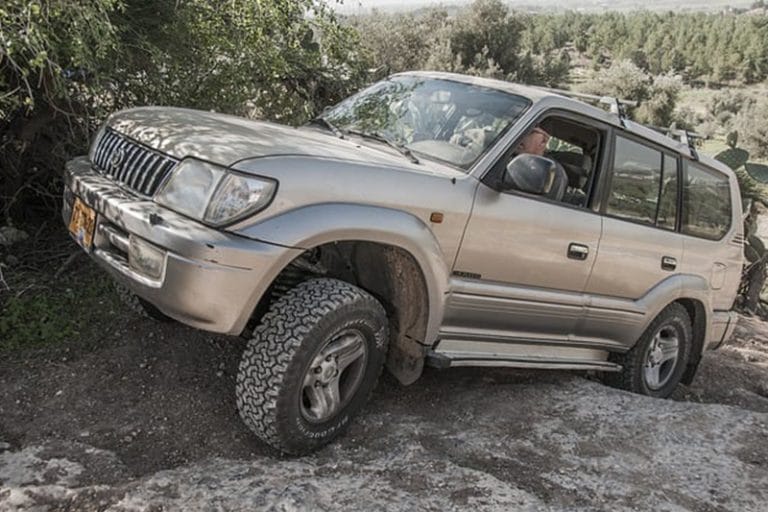
Living in Colorado means dealing with driving conditions that most of the country simply doesn’t experience. Between steep mountain grades, rapid elevation changes, and temperature swings that can span 50 degrees in a single day, your transmission works harder here than almost anywhere else. That’s not an exaggeration, it’s just the reality of driving in the Centennial State.
At Key Transmission & Gears, we’ve seen firsthand how Colorado’s unique climate and terrain can accelerate transmission wear. Our family-owned shop in Englewood has served Denver metro drivers for years, and one thing we’ve learned is that preventive care isn’t optional here, it’s essential. Whether you’re commuting through Denver or tackling I-70 on a weekend ski trip, understanding how to protect your transmission can save you thousands in repairs down the road.
In this guide, we’ll walk you through everything Colorado drivers need to know about transmission maintenance, from recognizing early warning signs to developing habits that extend the life of your vehicle.
Why Colorado’s Climate Demands Extra Transmission Attention
Colorado’s combination of geography and weather creates a perfect storm for transmission stress. Drivers here face challenges that simply don’t exist in flatter, more temperate regions, and your transmission feels every bit of it.
Mountain Driving and Transmission Stress
Think about your last trip up to the mountains. Whether you were heading to Breckenridge, Vail, or just navigating the foothills west of Denver, your transmission was working overtime. Climbing steep grades forces the transmission to hold lower gears longer, generating significantly more heat than highway cruising. And the descent? That’s arguably worse. Engine braking on long downhill stretches puts constant strain on transmission components.
The numbers tell the story: driving up a 7% grade (common on I-70) can increase transmission operating temperatures by 20-30 degrees above normal. Do that regularly, and you’re accelerating fluid breakdown and component wear. We see this constantly at our Englewood shop, vehicles that spend significant time in the mountains often need transmission service sooner than their flatland counterparts.
Towing adds another layer of stress. If you’re hauling a camper, boat, or trailer up to the high country, your transmission is handling loads it wasn’t necessarily designed for continuous use. The combination of altitude (thinner air means engines work harder), steep grades, and added weight creates conditions that push transmissions to their limits.
Extreme Temperature Fluctuations
Colorado’s temperature swings are legendary. We’ve all experienced those spring days that start at 25 degrees and climb to 70 by afternoon. While we adjust by shedding layers, your transmission fluid doesn’t have that luxury.
Cold starts in winter mean your transmission fluid is thick and sluggish, it doesn’t flow or lubricate properly until it warms up. Then summer hits, and that same fluid thins out in 95-degree heat while you’re stuck in Denver traffic. This constant cycling between temperature extremes degrades fluid faster than in moderate climates.
Winter driving brings additional challenges. Stop-and-go traffic on icy roads means more gear changes, more clutch engagement (for manual transmission drivers), and more stress on every component. Add in the occasional need to rock your vehicle out of a snowbank, and you’re putting your transmission through scenarios it wasn’t designed to handle regularly.
The altitude factor matters too. Denver sits at 5,280 feet, and many of us regularly drive to 9,000 feet or higher. Lower atmospheric pressure at altitude affects cooling efficiency and can contribute to overheating during demanding driving conditions.
Essential Transmission Maintenance Practices
Preventive maintenance is your best defense against costly transmission repairs. The good news? Most of what keeps your transmission healthy isn’t complicated, it just requires consistency and attention to your vehicle’s specific needs.
Fluid Checks and Changes
Transmission fluid is the lifeblood of your transmission. It lubricates moving parts, provides hydraulic pressure for gear changes, and helps dissipate heat. When that fluid breaks down, everything else starts to suffer.
Healthy transmission fluid should be bright red and have a slightly sweet smell. If yours looks brown, smells burnt, or has visible particles floating in it, you’re overdue for service. We recommend Colorado drivers check their fluid level and condition at least every few months, more often if you’re doing regular mountain driving or towing.
Fluid changes should happen more frequently here than manufacturer recommendations often suggest. While your owner’s manual might say 60,000 or even 100,000 miles, those numbers assume moderate driving conditions. Given Colorado’s demanding environment, we typically recommend transmission fluid changes every 30,000-50,000 miles for most drivers.
For vehicles that see heavy use, regular towing, frequent mountain trips, or commercial applications, a complete transmission flush can be beneficial. This service drains all the old fluid, cleans out accumulated sludge, and replaces everything with fresh fluid. It’s more thorough than a simple drain-and-fill and can extend transmission life significantly.
Filter Replacement and System Inspections
Your transmission filter catches debris and contaminants before they can damage internal components. Over time, it becomes clogged and restricts fluid flow. When we perform transmission service at Key Transmission & Gears, filter replacement is always part of the process.
A comprehensive transmission inspection should include:
- Draining the pan and checking for metal shavings or unusual debris (early warning signs of internal wear)
- Inspecting the pan gasket for cracks or deterioration and replacing if needed
- Checking all external seals and connections for leaks
- Evaluating the condition of transmission mounts and linkage
- Testing electronic sensors and solenoids where applicable
For manual transmission vehicles, inspection also covers the clutch system, checking pedal play, hydraulic lines, and throw-out bearing condition. These components work together, and catching a worn clutch cable early is much cheaper than dealing with a failed clutch on the side of I-25.
We also inspect related systems during transmission service. Your differential and transfer case (if you have 4WD or AWD) require their own fluid changes and maintenance. Neglecting these can lead to expensive repairs, and since we specialize in differential and suspension repair at our Englewood location, we’ve seen what happens when maintenance gets deferred.
Warning Signs Your Transmission Needs Attention
Catching transmission problems early can mean the difference between a minor repair and a complete rebuild. Your vehicle gives you warning signs, you just need to know what to look for.
Grinding or unusual noises should never be ignored. Whether you’re shifting gears or cruising at a steady speed, grinding, whining, or scraping sounds indicate something’s wrong. In manual transmissions, grinding during shifts often points to synchronizer issues. For automatics, unusual noises might signal worn bearings or planetary gear problems.
Transmission fluid leaks are a red flag. Your transmission is a closed system, it should never leak. Transmission fluid is typically red (though it darkens with age), making it easy to identify on your garage floor or driveway. Even small leaks can lead to low fluid levels, overheating, and accelerated wear. If you spot red fluid under your vehicle, come in for repairs as soon as possible.
Gears changing unnecessarily in an automatic transmission indicates internal problems. You should feel and hear gear changes during acceleration and deceleration, that’s normal. But if your transmission shifts for no apparent reason while you’re on a flat road at constant speed, something’s wrong with the valve body, solenoids, or internal hydraulics.
A burning smell from the engine area demands immediate attention. Transmission fluid burning off means you’ve got a leak hitting hot components, or your transmission is severely overheating. Either way, continued driving risks major damage.
Hard or soft clutch pedal in manual transmission vehicles points to clutch system issues. A hard pedal often indicates problems with linkage or clutch hydraulics. A soft, spongy pedal might mean air in the hydraulic line, a worn clutch plate, or issues with the master cylinder. Sometimes it’s just a matter of clutch adjustment, other times it signals more significant problems.
Slipping gears feel like your engine revs but the vehicle doesn’t accelerate properly. In automatics, this often indicates worn clutch packs or low fluid. In manuals, a slipping clutch is the usual culprit, the clutch disc can’t maintain proper grip on the flywheel.
If you notice any of these symptoms, don’t wait. We offer free electronic diagnostics and road testing at Key Transmission & Gears, so there’s no reason to guess about what’s happening with your vehicle.
How Often Colorado Drivers Should Service Their Transmission
Service intervals depend on several factors: your vehicle type, driving habits, and how you use your car or truck. But Colorado drivers generally need more frequent service than national averages suggest.
For automatic transmissions under normal driving conditions, we recommend service every 30,000-50,000 miles. If you’re regularly towing, driving mountain routes, or doing lots of stop-and-go city driving, lean toward the lower end of that range, or even more frequent service.
Manual transmissions are often more forgiving, but they still need attention. The average service interval is around 30,000 miles, with tow vehicles needing service more frequently. Manual transmission fluid doesn’t degrade as quickly as automatic transmission fluid, but contamination and wear still occur.
Differential fluid should be changed every 30,000-60,000 miles depending on your vehicle and driving conditions. AWD and 4WD vehicles that see off-road use or frequent mountain driving should be serviced more often.
Here’s a practical approach: if you’ve put on more miles than your last service interval since your last transmission check-up, it’s time to schedule an appointment. And if your vehicle is approaching high mileage (100,000+ miles) without recent transmission service, getting it inspected sooner rather than later is smart preventive care.
Our ASE-certified technicians at Key Transmission & Gears can help you determine the right service schedule for your specific vehicle and driving patterns. We work on all makes and models, both foreign and domestic, so whatever you drive, we can keep it running right.
Driving Habits That Protect Your Transmission
Your driving habits have a direct impact on transmission longevity. A few simple adjustments can significantly extend the life of your transmission, and they don’t require any real sacrifice.
Warm up your vehicle in cold weather. Colorado winters mean cold starts, and cold transmission fluid doesn’t protect components properly. Give your vehicle a minute or two to warm up before driving, and avoid aggressive acceleration until the engine and transmission reach operating temperature.
Use lower gears on mountain descents. Instead of riding your brakes down Loveland Pass, downshift and let engine braking do the work. This reduces brake wear and prevents your transmission from hunting between gears. Most modern automatics have manual shift modes or gear selectors for exactly this purpose.
Come to complete stops before shifting. Shifting from drive to reverse (or vice versa) while still rolling stresses the transmission unnecessarily. It’s a small thing, but over thousands of repetitions, it matters.
Don’t use your transmission as a parking brake. Always engage your parking brake, especially on Colorado’s many hills. Letting your transmission hold the vehicle’s weight strains the parking pawl, a small component that isn’t designed to bear that load continuously.
Avoid unnecessary towing or hauling. If your vehicle’s rated for 5,000 pounds, that doesn’t mean towing 5,000 pounds regularly is good for it. The closer you operate to your vehicle’s limits, the harder everything works. When you do tow, consider installing an auxiliary transmission cooler, it’s relatively inexpensive and can prevent overheating.
Address problems immediately. Strange noises, shifting issues, or fluid leaks don’t improve on their own. Every mile driven with a developing problem accelerates damage. Getting issues diagnosed early, ideally before they become major failures, is the most important habit you can develop.
Conclusion
Colorado’s unique combination of mountain terrain, elevation changes, and extreme temperature swings means your transmission works harder here than in almost any other state. That’s not something to worry about, it’s just something to prepare for.
Preventive transmission care comes down to three things: regular maintenance, attention to warning signs, and driving habits that reduce unnecessary stress. Stay on top of fluid changes and inspections, don’t ignore strange noises or shifting problems, and adjust your driving for mountain conditions. Do those things consistently, and your transmission will reward you with years of reliable service.
At Key Transmission & Gears, we’ve been helping Denver metro drivers keep their vehicles running smoothly from our Englewood shop for years. Our team of ASE-certified technicians specializes in transmission repair for both manual and automatic vehicles, along with differential, suspension, and clutch service. Whether you need routine maintenance or suspect a bigger issue, we’re here to help, and all our repairs come with a 12-month or 12,000-mile warranty.
Don’t wait for a small problem to become a costly repair. If something doesn’t feel right, or if you’re overdue for transmission service, give us a call or stop by. We’ll make sure your vehicle is ready for whatever Colorado roads throw at it.