
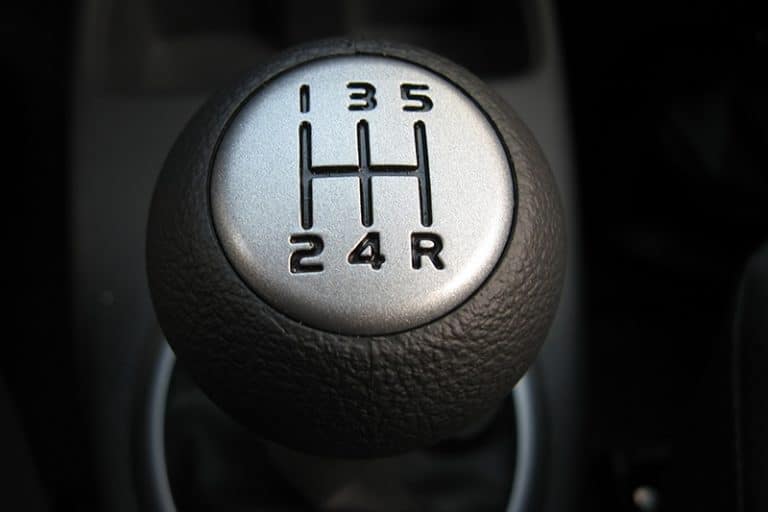
If you drive a stick in Englewood, Denver, or Centennial, you know how satisfying a clean shift feels. You also know when something’s off. Maybe first gear fights you at a stoplight on Broadway, or you smell something hot after a climb on Hampden. At Key Transmission and Gears, we see these issues every day and help drivers avoid bigger, more expensive problems. Here’s a practical guide to the most common problems with manual transmissions and how to fix them.
Key Takeaways
- Hard shifts, grinding, or burnt smells in a manual transmission usually trace to clutch drag, worn synchronizers, or incorrect/low fluid—start by checking fluid level and spec, then bleed/adjust the clutch.
- A slipping clutch (rev flare, high engagement, burning smell) typically calls for a full clutch kit and flywheel service, and fixing any oil leaks to prevent repeat failure.
- Notchy or popping out of gear often comes from worn bushings/cables, misadjusted linkage, or soft engine/trans mounts—inspect and correct externals before opening the gearbox.
- Change manual transmission fluid about every 30,000 miles and use the exact GL-4/GL-5 or OEM-specified fluid; avoid additives unless the manufacturer approves them.
- DIY-friendly fixes include topping fluid, replacing external shifter bushings, bleeding hydraulics, and some external slave swaps, but see a specialist for persistent grinding, gear pop-out, bearing hum, or metal in the fluid.
- Budget smart: expect $100–$250 for fluid/adjustments, $150–$450 for hydraulics, $800–$2,000 for a clutch job, while internal repairs vary—early diagnosis saves money and downtime.
How Manual Transmissions Work (Quick Primer)
A manual transmission uses a clutch to connect and disconnect engine power from the gearbox so you can choose the right gear for speed and load. When everything’s healthy:
- The clutch pedal has a consistent engagement point
- Shifts are smooth and positive
- There’s no grinding, whining, or burning smells
Key parts to know:
- Clutch assembly: disc, pressure plate, release (throw-out) bearing, and flywheel
- Gearbox: gears, synchronizers, shafts, and bearings
- Linkage: cables or rods, bushings, and the shifter
- Hydraulics (on most modern manuals): clutch master and slave cylinders
Understanding these basics makes it easier to spot problems early and get the right fix from a shop like Key Transmission and Gears.
Diagnosing Symptoms: What You Feel, Hear, And Smell
Shifting Feel And Engagement
If it’s hard or notchy going into gear, especially first or second, you could be dealing with:
- Worn shifter bushings or linkage
- Low, contaminated, or incorrect gear oil
- Worn synchronizers
- Clutch drag from misadjustment or hydraulic issues
You shouldn’t have to muscle the shifter. If you are, have us take a look.
Noises Under Load Or At Idle
- Grinding when selecting a gear usually points to worn synchronizers or a clutch that isn’t fully disengaging
- Whining or humming that changes with speed often means bearing wear or low fluid
- A rhythmic rattling at idle that fades when you press the clutch can be a release or pilot bearing problem
Pedal Feel And Engagement Point
- Spongy, soft, or sinking pedal: air in the hydraulic line or failing master/slave cylinder
- High engagement point and slipping under load: worn clutch disc or pressure plate
- Pulsation in the pedal: possible warped flywheel or pressure plate issues
Leaks, Smells, And Visual Checks
- Red or amber fluid under the car suggests a transmission or hydraulic leak
- A sharp, hot, “burnt” smell after stop-and-go traffic or hill climbs can be clutch slip
- Wetness on the bellhousing or around axle seals needs attention
If you notice any of these, swing by Key Transmission and Gears in Englewood for free electronic diagnostics and a road test. Catching things early saves money.
Clutch-Related Problems And Fixes
Slipping Clutch
Signs: engine revs jump but the car barely accelerates, a burning smell, rising engagement point. Fixes usually include replacing the clutch disc, pressure plate, release bearing, and resurfacing or replacing the flywheel. If it’s early, contamination from an oil leak may be the culprit. We’ll inspect first.
Clutch Drag Or Hard Shifting
If the clutch doesn’t fully release, first and reverse grind or refuse to engage. Common fixes:
- Adjust pedal free play or hydraulic pushrod
- Bleed the hydraulic system
- Repair linkage or cable issues
- Replace a sticking clutch disc or bent pressure plate fingers
Spongy Or Low Pedal (Hydraulic Issues)
A soft pedal often means air in the system, a leak, or failing cylinders. Steps:
- Inspect for leaks at the master, slave, and lines
- Bleed the system to remove air
- Replace worn master or slave cylinders
Chatter Or Shudder On Takeoff
A shuddering start can come from a warped flywheel, a glazed or contaminated clutch disc, or broken engine/trans mounts. We’ll check the contact surfaces and mounts and correct the root cause so it doesn’t return.
Noisy Release Or Pilot Bearing
Squeal or growl when the pedal is pressed often points to a bad release bearing. Noise with the pedal released may be the pilot bearing. Replacement is the fix, and we inspect the rest of the clutch while we’re in there.
Gear Engagement And Shifter Issues
Grinding Into Gear
Common causes: worn synchronizers, clutch drag, low or wrong fluid. Start with a fluid check and clutch adjustment or hydraulic bleed. If grind persists, internal work may be needed.
Gear Popping Out
If the shifter jumps out of gear under load or on decel, suspects include worn shift forks, weak detents, misadjusted linkage, or severely worn synchronizers. This can escalate quickly, so get it checked soon.
Stuck In Gear Or Won’t Go Into Gear
Could be a seized cable, broken bushing, hydraulic failure, or internal damage. We’ll isolate whether it’s external linkage or inside the box before opening anything up.
Difficult First Or Reverse
Often a symptom of clutch drag or misadjusted linkage. First and reverse aren’t synchronized in many manuals, so they show problems first.
Worn Bushings, Cables, Or Linkages
Loose, vague, or inconsistent shifts are often just tired bushings or stretched cables. Replacing them can transform shift feel.
Misadjusted Shifter Or Clutch
Incorrect pedal free play or out-of-spec linkage alignment can mimic bigger problems. We always set baseline adjustments before calling for major repairs.
Broken Or Soft Engine/Transmission Mounts
Excessive drivetrain movement throws the shifter geometry off, causes clunks on throttle, and can lead to popping out of gear. Fresh mounts restore alignment and feel.
Fluid, Leaks, And Lubrication
Correct Gear Oil Type And Viscosity
Manuals are picky about fluid. Some call for GL-4, others GL-5, and some require specific OEM fluids. The wrong oil can hurt synchronizers or cause notchiness. We use the factory-recommended fluid on every service.
Checking Fluid Level Without A Dipstick
Most manuals use a fill plug on the side of the case. With the car level, the correct level is typically just below the lower edge of the fill hole. If you’re unsure, we can check it quickly during a visit.
Common Leak Points And Fixes
- Axle seals and input shaft seal
- Shift shaft seal
- Case halves or pan gaskets
- Clutch hydraulic lines and cylinders
We replace faulty seals and verify venting so pressure doesn’t push fluid past new seals.
Service Intervals And Additives
A good rule of thumb for manual transmission fluid is around every 30,000 miles, sooner for towing or mountain driving. Avoid additives unless the manufacturer recommends them. Key Transmission and Gears also offers complete fluid services, filters and gaskets where applicable, and transmission flushes when appropriate.
When To DIY And When To See A Pro
Tools, Safety, And Skill Level
Working under a vehicle requires solid jack stands, torque specs, and the right tools. Transmission work often means tight spaces and heavy components. If you’re not comfortable, call us.
Repairs Suited For DIY
- Checking and topping off fluid
- Replacing external shifter bushings or a worn shifter boot
- Bleeding the clutch hydraulics
- Swapping an external slave cylinder on some models
Signs You Need A Transmission Specialist
- Persistent grinding after fluid and clutch adjustments
- Gear popping out or severe noise under load
- Clutch slip that returns after adjustment or bleeding
- Internal bearing hum or metal in the fluid
Key Transmission and Gears is family-owned and operated with ASE-certified technicians. We diagnose, repair, and rebuild manual transmissions on foreign and domestic vehicles, every make and model.
Typical Cost Ranges And Time Estimates
- Fluid service and adjustments: often $100–$250 depending on fluid type and access
- External hydraulic repairs: $150–$450
- Clutch replacement with flywheel service: commonly $800–$2,000 depending on vehicle
- Internal transmission repairs or rebuilds: highly variable, often several days
We provide clear estimates before any work and keep you updated, start to finish.
Conclusion
Manual transmissions are tough, but they still need the right fluid, clean adjustments, and timely clutch service. If you’re feeling grind into second, smelling something hot after a hill, or fighting the shifter at a Denver stop, don’t wait. The earlier we see it, the easier the fix.
Key Transmission and Gears offers free electronic diagnostics and road testing in Englewood, and we serve Denver and Centennial every day. Call or visit our shop to schedule service. We’ll pinpoint the issue, explain your options, and get you back to crisp, confident shifts.
Frequently Asked Questions
What are the signs of a slipping clutch in a manual transmission, and how do you fix it?
Common signs include rising RPM with little acceleration, a high engagement point, and a burnt smell after hills or traffic. The fix is typically a clutch kit (disc, pressure plate, release bearing) and flywheel service. Early slip can also come from oil contamination—inspect and repair leaks before replacing parts.
Why is my manual transmission hard to get into first or reverse?
Hard engagement in first or reverse often points to clutch drag from misadjustment or hydraulic issues. Other causes include worn shifter bushings, low or incorrect gear oil, or seized linkage. Start with checking fluid, bleeding the clutch hydraulics, and inspecting/adjusting linkage before considering internal transmission work.
How often should I change manual transmission fluid, and which oil should I use?
A good interval is about every 30,000 miles, sooner for towing, mountain driving, or heavy traffic. Use the factory-specified fluid (GL-4, GL-5, or OEM-specific). The wrong viscosity or additive package can make shifts notchy and harm synchronizers. Avoid additives unless the manufacturer explicitly recommends them.
What does it mean if my manual transmission pops out of gear while driving?
Popping out of gear under load or deceleration can indicate worn synchronizers, weak detents, misadjusted linkage, bent shift forks, or bad mounts causing misalignment. This can escalate quickly and damage gears. Stop aggressive driving and have it inspected—baseline adjustments and mount checks come first, then internal diagnosis if needed.
How long does a clutch typically last in a manual transmission?
Clutch life varies widely—often 50,000 to 100,000+ miles. City stop‑and‑go, towing, hill starts, and riding the clutch shorten lifespan, while proper technique and timely hydraulic/linkage maintenance extend it. Symptoms like slip, chatter, or a high engagement point signal it’s time for inspection and possible replacement.
Can I keep driving with grinding or hard shifts in a manual transmission?
It’s risky. Grinding suggests synchronizer wear or a clutch that isn’t fully disengaging; continued driving can damage gears and bearings, raising repair costs. Check fluid level/type, bleed the clutch, and inspect linkage. If grinding persists or gears pop out, limit driving and schedule a professional diagnosis promptly.